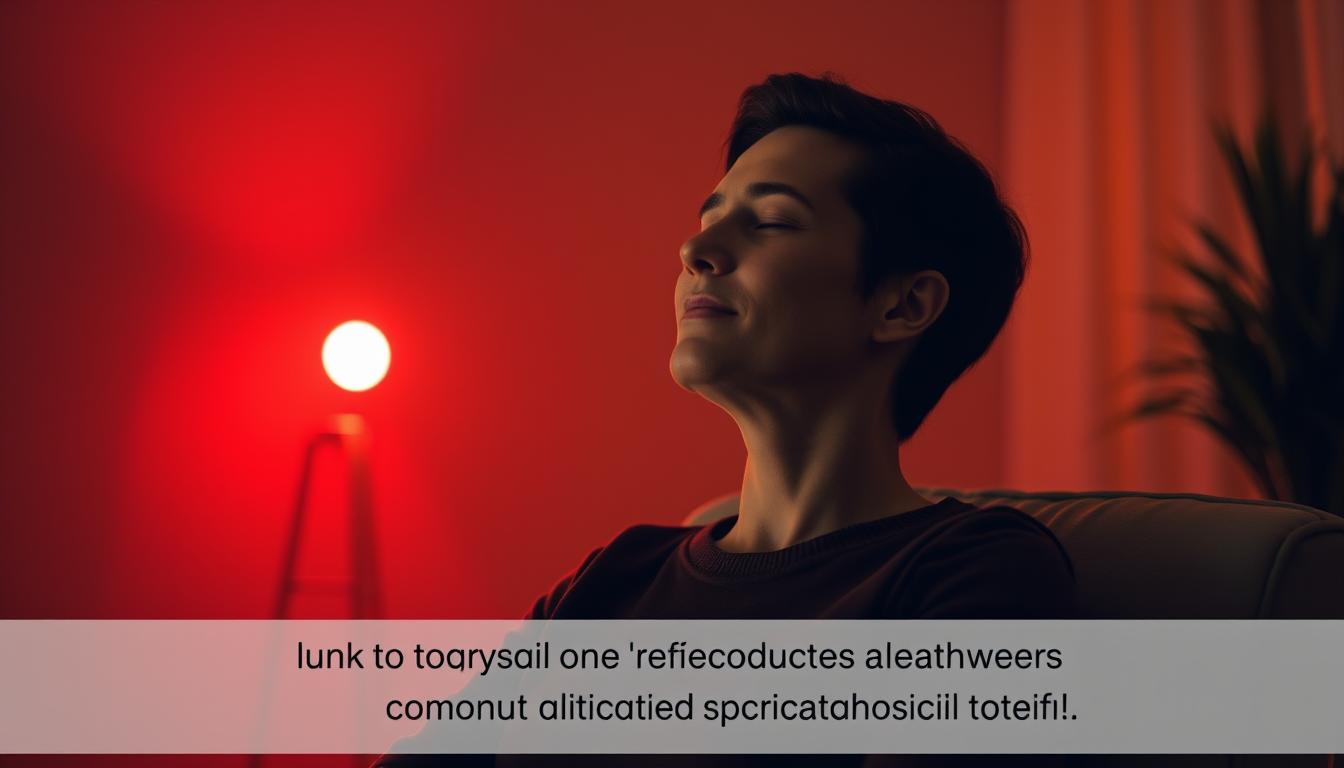
Welcome! If you’re exploring natural ways to manage discomfort, you’ve found a powerful combination. This guide delves into the synergy of guided imagery and red light therapy. Together, they can create remarkable results for pain relief that go beyond what each method offers alone.
So, what exactly is this practice? Visualization, often called guided imagery, is a technique where you focus your imagination on positive outcomes. It’s based on the powerful connection between your mind and body. By using creative imagery and self-suggestion, this practice can influence your emotions. These emotional shifts can then create real, positive physiological changes.
This article is your friendly, step-by-step companion. We will walk you through simple yet effective techniques. You’ll learn concepts like “breathing in the light” and visualizing healing energy. These methods are easy to follow, even if you’re new to such practices.
While the techniques are straightforward, their combined effect on managing discomfort can be profound. This approach empowers you to take an active role in your well-being. Let’s begin this journey toward a more comfortable life.
Key Takeaways
- Combining guided imagery with red light therapy can significantly improve pain management results.
- Visualization is a mind-body technique that uses the power of your imagination to create positive change.
- This practice is accessible to everyone, regardless of prior experience with meditation.
- You will learn specific, easy-to-follow techniques to practice during your sessions.
- Consistent practice is key to unlocking the profound benefits of this combined approach.
- This method offers a natural, empowering way to actively participate in your healing process.
Overview of Guided Visualization and Red Light Therapy
The mind-body connection holds incredible potential for transforming your pain experience. Guided imagery is a therapeutic technique where you actively use your imagination to create mental scenes that promote healing. This practice engages your senses to build vivid experiences that your brain interprets as real.

When you practice this form of visualization, you’re not just daydreaming. You’re triggering actual physiological responses that can reduce discomfort. Your body responds to these mental images as if they were happening in reality.
Introduction to Visualization Techniques
This approach works by involving all five senses to create detailed mental schemas. Imagine not just seeing healing light, but feeling its warmth and hearing a calming frequency. This multi-sensory engagement makes the practice particularly effective for pain management.
Red light therapy serves as the perfect physical complement. It uses specific light wavelengths to reduce inflammation and promote cellular repair at the tissue level. When combined with mental imagery, these approaches create a powerful synergy.
Key Benefits for Pain Relief
The combined benefits are substantial for people dealing with discomfort. You may experience reduced pain intensity and decreased stress related to chronic pain. This dual approach addresses both physical symptoms and emotional components.
Many people find they can reduce reliance on medications while gaining greater control over their healing journey. Additional benefits include improved sleep, better mood, and reduced inflammation. This non-invasive method has no side effects and can be safely practiced at home.
This combination represents a powerful tool for holistic wellness. It empowers you to actively participate in your healing process while receiving tangible physical benefits.
Understanding Guided Visualization Techniques
One of the most powerful visualization techniques involves the simple act of breathing. This foundational practice, often called “breathing in the light,” is a cornerstone for combining guided imagery with physical therapies. It turns your natural rhythm of breath into a direct channel for healing.

The Concept of “Breathing in the Light”
This technique asks you to imagine inhaling healing energy with each breath. Picture warm, soothing light entering your body through your nose or mouth. Visualize it flowing to areas of discomfort, concentrating its healing power exactly where it’s needed most.
Engage all your senses to make the mental imagery vivid. See a soft red glow. Feel its warmth spreading through you. Sense a gentle tingling or pulsing in the targeted area. The more detailed your imagination, the stronger your body‘s relaxation response becomes.
This practice works with your brain‘s neuroplasticity. It creates new pathways that link breathing and light with deep relaxation instead of tension. By consistently visualizing this process, you train your mind to associate these sensations with relief.
At first, this way of thinking might feel unusual. With practice, the mind–body connection strengthens. The effects on managing discomfort become more immediate and profound, offering a natural technique for well-being.
How Red Light Therapy Boosts Pain Relief
When light meets tissue, a fascinating biological response occurs that forms the foundation of pain relief. Red light therapy works by stimulating mitochondria, the energy powerhouses within your cells. This stimulation increases ATP production, accelerating tissue repair and reducing inflammation.
The light penetrates deep into tissues, promoting better circulation and triggering natural healing mechanisms. This cellular-level approach provides lasting relief, especially for persistent discomfort.
Synergizing Light Therapy with Mental Imagery
The true power emerges when physical light therapy combines with mental imagery. This synergy creates results greater than either approach alone. Your brain responds to vivid mental pictures as if they were real experiences.
During sessions, guided imagery helps your body fully absorb the therapeutic benefits. It creates a relaxed state where healing can occur more effectively. This focused attention directs your brain toward recovery instead of discomfort.
The combination addresses pain from multiple angles. While light works on physical inflammation, mental imagery tackles emotional components. This dual approach is particularly effective for managing chronic conditions.
Visualizing “breathing in the light” during actual therapy sessions strengthens the mind-body connection. This practice retrains your nervous system’s response patterns. It offers both immediate relaxation and long-term healing benefits.
How to Use Guided Visualization to Enhance Red Light Therapy for Pain Relief
Your integrated practice begins with creating the right environment for healing. Position yourself comfortably near your device, ensuring the light reaches affected areas while you relax completely.
Start with several minutes of deep breathing to calm your nervous system. This preparation phase helps transition your mind into a receptive state for the guided imagery practice.
As your session begins, initiate the “breathing in the light” technique. Imagine inhaling the therapeutic glow with each breath, directing it specifically toward areas of pain. Visualize this light as a warm, healing energy that penetrates deep into tissues.
Maintain focus by using the physical warmth from the device as your anchor. Add sensory details to intensify the imagery—brighter colors, increasing warmth, or tingling sensations that signal healing energy at work.
Conclude each session with gratitude and positive affirmation. Thank your body for its natural healing capacity. This closure reinforces the mind-body connection essential for effective pain management.
Track your progress and adjust your visualization approach based on what feels most effective. This personalized guided visualization method empowers you to actively participate in your wellness journey.
Step-by-Step Guide to a Guided Visualization Session
Setting up a dedicated space transforms ordinary moments into powerful healing opportunities. Begin by selecting a quiet area free from interruptions. Dim the lights and position your red light therapy device at the recommended distance.
Create optimal comfort with supportive cushions and maintain a comfortable temperature. Gentle background sounds like soft music can enhance your relaxation experience. These preparations signal your brain that it’s time for healing.
Preparation and Creating a Calm Environment
Start with conscious breathing to calm your nervous system. Inhale slowly through your nose for four counts. Hold for four counts, then exhale through your mouth for six counts.
Practice progressive muscle relaxation from head to toes. Tense each muscle group for three seconds, then release completely. This technique prepares your body for deeper visualization work.
| Preparation Element | Purpose | Time Investment |
|---|---|---|
| Quiet Space Selection | Minimize distractions | 2-3 minutes |
| Light Therapy Setup | Physical healing support | 1-2 minutes |
| Breathing Exercises | Nervous system calm | 3-5 minutes |
| Muscle Relaxation | Body preparation | 5-7 minutes |
Breathing and Sensory Integration Techniques
Once relaxed, engage all five senses in your imagery. See the red light’s glow and feel its warmth spreading. Hear your breath or gentle guidance tracks.
If your mind wanders, gently return focus to your breath. Start with shorter 10-minute sessions, gradually increasing as your concentration improves. This builds stronger neural pathways for pain management.
Conclude mindfully by wiggling fingers and toes. Take three deep breaths before slowly returning to normal awareness. This preserves the relaxation state you’ve created.
Integrating Meditation and Visualization Practices>
While meditation and visualization share common ground, they follow different paths toward wellness and healing. Many people find value in understanding how these techniques complement each other in their wellness journey.
Both approaches promote relaxation and reduce anxiety, but they serve distinct purposes. Traditional meditation focuses on mindfulness and present-moment awareness.
Differences Between Guided Imagery and Traditional Meditation
In traditional meditation, you observe thoughts without attachment, allowing your mind to settle into a calm state. This practice cultivates general awareness and emotional regulation.
Guided imagery actively engages your imagination to create specific mental scenarios. This approach directs your mind toward particular goals like healing or pain relief.
Many beginners find guided imagery more accessible than traditional meditation. Having a specific focus makes it easier to achieve deep relaxation without struggling to quiet the mind.
For pain management, guided imagery offers direct control over your mental state. It actively directs healing energy rather than simply observing sensations.
You can successfully integrate both techniques. Start with mindful breathing to center yourself, then transition into visualization during therapy sessions. This combination addresses both general awareness and targeted healing.
Both practices work with your emotions and nervous system. Guided imagery provides more specific control over the physical responses you want to cultivate.
Scientific Evidence Behind Visualization and Red Light Therapy
Solid scientific research provides the foundation for combining mental imagery with light-based treatment. Understanding the biology behind these methods builds confidence in their effectiveness for managing discomfort.
Neuroplasticity and Its Role in Pain Management
Your brain possesses an amazing ability called neuroplasticity. It can form new connections based on your experiences, even imagined ones.
When you practice guided imagery, you are literally rewiring your brain‘s response to pain. You create new pathways that link discomfort with relaxation instead of suffering.
This process also activates your parasympathetic nervous system. This is your body’s “rest and digest” mode. It counters the stress that often makes chronic pain feel worse.
Overview of Research Studies
Several studies confirm the benefits. Research in Psychological Bulletin showed that people using guided imagery had lower cortisol levels and felt more relaxed.
The Journal of Pain and Symptom Management found this practice significantly reduced pain intensity for patients. It enhanced their overall capacity for pain management.
Red light therapy complements these mental changes by healing tissues at a cellular level. This dual approach tackles both the perception of pain and its physical source, making it a powerful tool for wellness.
Real-Life Success Stories and User Experiences
Jacquelyn Jones’ decade-long journey demonstrates the profound impact of consistent visualization. Facing a degenerative spine condition and a bad reaction to medication, she sought an alternative way to heal.
She chose guided imagery over risky surgery. Within a month, her attitude toward pain transformed completely.
“Instead of thinking of the pain as a problem, I started to think of it as an experience,” Jones explains. This shift reduced her anxiety and fear.
She eventually stopped her pain medications. For ten years, practicing guided imagery has been her cornerstone for healing.
“Someone with my condition would most likely have to resort to surgery to lead a normal life, but I’m a very functional and positive person, and it’s all due to my mental and spiritual state.”
Jacquelyn Jones’ Journey with Visualization
Jones began with solo sessions during quiet moments. This personal practice built her foundation in pain management.
Her commitment shows that these techniques help people with serious chronic pain. Her story offers real hope to other patients.
Benefits of Group Sessions and Community Support
Jones later joined the Circle of Light, a biweekly group. She found that shared sessions offered unique advantages.
“It’s easier when someone else is guiding you through visualization,” she admits. “You’re relaxed and just listening.”
Many people discover that a group provides structure and support. This shared experience deepens the healing process and reduces feelings of isolation.
Combining individual practice with a supportive group creates a powerful system for lasting well-being.
Tips for Maximizing the Benefits in Daily Life
Making guided imagery a natural part of your daily life requires thoughtful habit-building strategies. The real transformation occurs when these techniques become integrated into your routine rather than occasional practices.
Establishing a Consistent Visualization Routine
Consistency is the foundation of success with this approach. Start with brief 5-10 minute sessions and gradually increase duration as your comfort grows.
Choose a specific time that works for your schedule. Many people find morning or evening sessions most effective. Pairing your visualization practice with red light therapy creates a powerful combined routine.
Track your progress in a simple journal. Note pain levels before and after sessions. This helps maintain motivation and shows tangible benefits over time.
Mind-Body Connection Strategies
Strengthen your mind-body connection throughout the day. Take brief moments to check in with physical sensations. Practice mini-visualizations when you notice tension.
Use professionally recorded guided meditation tracks on challenging days. These tools remove mental effort while maintaining consistency. Create environmental cues like a special cushion or blanket to signal relaxation time.
Adapt your practice to fit different circumstances. On busy days, shorter sessions still provide benefits. During travel, focus on visualization alone to maintain mind-body harmony.
Patience is essential. While some experience immediate relief, others see gradual improvements over weeks. Regular practice builds stronger neural pathways for lasting wellness.
Safety Considerations and When to Seek Professional Advice
Before diving into these powerful techniques, it’s essential to understand important safety considerations. Both guided imagery and red light therapy are generally safe approaches with no serious side effects when used properly.
These methods work best as part of a comprehensive pain management plan. They should complement professional medical care rather than replace it.
Identifying Warning Signs and Knowing Your Limits
Consult healthcare providers before starting if you have serious or unexplained pain. Proper medical evaluation should never be delayed by visualization practices.
Some individuals need extra guidance. People with severe mental health conditions like PTSD or dissociative disorders should work with mental health professionals. Red light therapy also has contraindications for certain eye conditions or photosensitizing medications.
Watch for warning signs that indicate professional support is needed. These include significantly worsening pain, new symptoms, or if visualization triggers distressing memories. While some emotional release is normal, persistent distress warrants professional help.
| Situation | Action Required | Professional to Consult |
|---|---|---|
| Unexplained or severe pain | Seek immediate medical evaluation | Primary care physician |
| Mental health concerns | Consult before starting practice | Mental health specialist |
| Worsening symptoms | Discontinue and seek advice | Pain management specialist |
| Emotional distress during sessions | Adjust practice with guidance | Certified meditation instructor |
Working with qualified practitioners ensures you use these techniques safely and effectively. This approach maximizes benefits while minimizing risks for patients seeking natural pain management options.
Conclusion
The journey through these techniques reveals a powerful truth: your mind can actively participate in your healing process. Combining guided imagery with physical therapy creates a comprehensive approach to pain management. This synergy addresses discomfort from multiple angles for more complete relief.
Like Jacquelyn Jones demonstrated, consistent practice with this visualization approach yields real results. While mastering these skills takes time, the investment pays off in reduced pain and improved well-being. Your body responds to the mental imagery you create, making each session more effective.
Begin your practice today, starting with just a few minutes. Professional guided imagery tracks can help you maintain consistency and proper technique. Discover how uniting mind and body transforms your experience of discomfort into an opportunity for healing and empowerment.