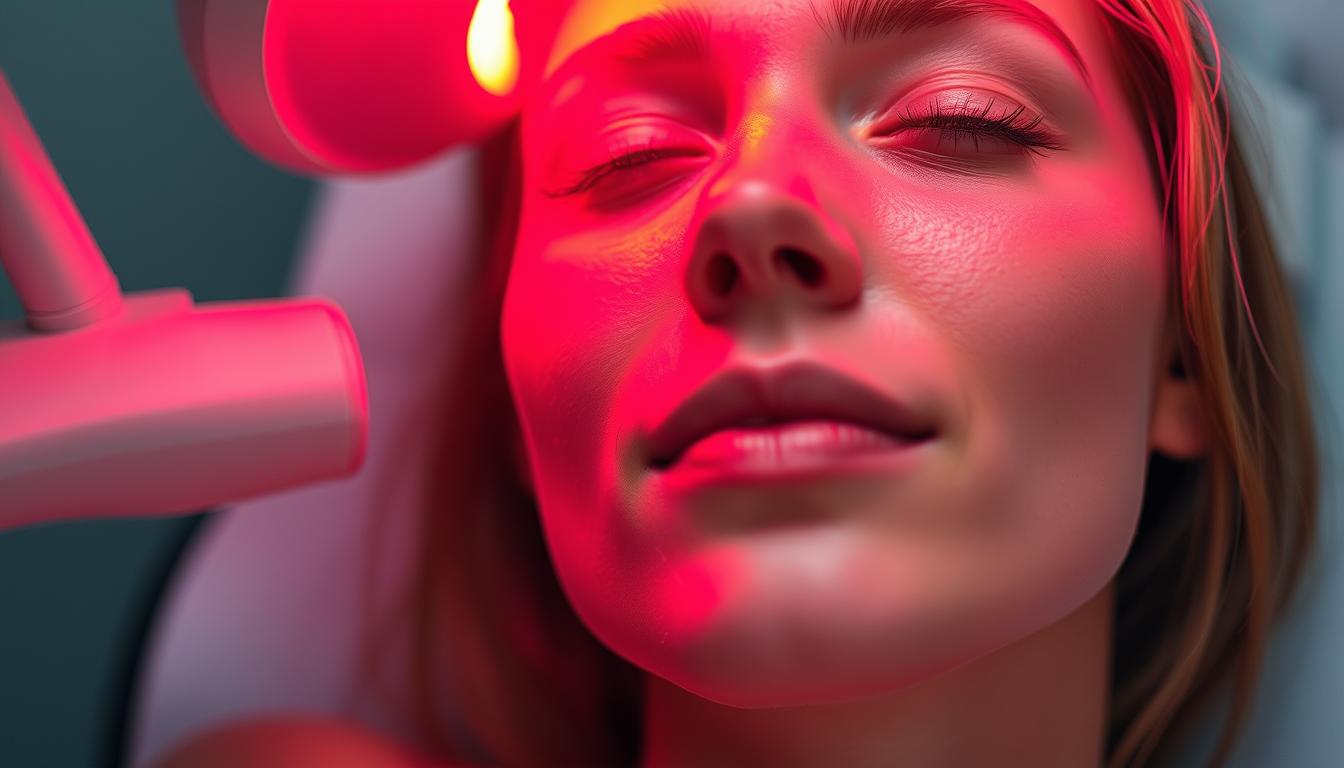
Welcome to your ultimate guide on achieving a clearer complexion. If you’re seeking a gentle yet powerful method to improve your skin’s health, you’ve come to the right place. This guide explores a modern approach that is changing the landscape of skincare.
Many people struggle with persistent skin concerns and seek alternatives to harsh topical creams or medications. This form of light therapy offers a scientifically-backed, non-invasive path to healthier skin. It works by using specific wavelengths to support your skin’s natural healing processes.
We will walk you through the science behind this method, practical application tips, and important safety guidelines. You will also discover how combining this approach with relaxation techniques, like guided meditation, can enhance your results by addressing stress-related factors.
Our goal is to empower you with clear, accessible information. This knowledge will help you make confident decisions about integrating this effective treatment into your daily routine for a radiant look.
Key Takeaways
- Discover a gentle, non-invasive approach to managing common skin issues.
- Learn how specific light wavelengths can support your skin’s health.
- Understand the science behind this modern treatment method.
- Get practical tips for safely using this therapy at home.
- Explore how combining light sessions with relaxation can boost effectiveness.
- Gain knowledge to make informed choices about your skincare regimen.
Introduction to Red Light Therapy and Acne
The search for effective, non-invasive skin care has led many to discover the benefits of specific light wavelengths. This approach represents a significant shift from traditional methods that often rely on harsh chemicals or medications.
What Is Red Light Therapy?
Photobiomodulation, commonly known as low-level laser treatment, utilizes precise red wavelengths between 620-750 nanometers. This innovative approach delivers therapeutic illumination deep into skin layers where concerns originate.
The technology works by boosting mitochondrial energy production within your cells. This gives your skin the natural power boost it needs for effective repair and regeneration. Unlike ultraviolet exposure, this method uses very low heat levels that don’t cause discomfort.
Overview of Acne Challenges
Acne vulgaris affects over 85% of adolescents and frequently continues into adulthood. This chronic condition involves hormonal factors, bacterial activity, excessive oil production, and inflammation.
The impact extends beyond physical symptoms to affect self-esteem and social interactions. Emotional factors and daily pressures can worsen these skin conditions, creating a challenging cycle. Many conventional approaches yield mixed results and may involve compliance issues.
Understanding this complex relationship helps explain why complementary approaches show promise. Combining physical treatments with stress management techniques addresses multiple contributing factors simultaneously.
Understanding Acne and Conventional Treatments
Acne is more than just a surface-level concern—it begins deep within the skin’s structure where oil glands reside. The pilosebaceous unit, which includes hair follicles and sebaceous glands, becomes the starting point for this common condition.
Four main factors contribute to acne development. Hormones trigger excessive oil production, while dead skin cells block pores through a process called follicular hyperkeratinization. Bacteria then colonize these blocked areas, leading to inflammation that causes redness and swelling.
This condition typically appears on the face, chest, back, and shoulders—areas with the highest concentration of oil glands. The manifestations range from mild blackheads and whiteheads to inflamed papules and pustules.
Conventional approaches for managing these skin conditions include various topical and oral options. First-line treatments often focus on different aspects of the acne development process.
| Treatment Type | Primary Function | Common Examples | Targeted Factor |
|---|---|---|---|
| Topical Retinoids | Normalize skin cell turnover | Tretinoin, Adapalene | Follicular blockage |
| Benzoyl Peroxide | Antibacterial action | Various OTC creams | Bacterial colonization |
| Topical Antibiotics | Reduce inflammation | Clindamycin, Erythromycin | Inflammatory response |
| Oral Medications | Systemic approach | Antibiotics, Isotretinoin | Multiple factors |
“The challenge with traditional acne management lies in balancing effectiveness with tolerability. Many patients struggle with side effects that impact their quality of life.”
For moderate to severe cases, oral options include systemic antibiotics, hormonal therapies, and isotretinoin. However, these approaches come with limitations such as skin irritation, dryness, and antibiotic resistance concerns.
Many individuals seek complementary approaches due to dissatisfaction with conventional results or inability to tolerate side effects. Understanding these traditional methods helps contextualize where alternative options fit into the overall management strategy.
Exploring the Benefits of Red Light for Acne
Modern skincare approaches are increasingly focusing on treatments that offer multiple benefits through a single modality. This comprehensive strategy proves particularly valuable for managing complex skin conditions.
Anti-Inflammatory and Healing Effects
Specific wavelengths penetrate deeply into skin layers, reaching sebaceous glands where concerns originate. This deep-reaching action helps calm inflammatory responses by influencing cellular communication.
The approach stimulates natural collagen production, essential for repairing damaged tissue. This promotes faster recovery from active breakouts while improving skin elasticity.
Addressing Acne Lesions through Light Exposure
This method targets various types of inflammatory lesions including papules and pustules. It also helps with post-inflammatory discoloration that often remains after breakouts clear.
Regular sessions may help regulate oil gland activity, potentially reducing excess sebum production. The skin-smoothing effects create a more even texture and tone over time.
| Benefit Type | Primary Effect | Visible Results |
|---|---|---|
| Anti-inflammatory | Reduces redness and swelling | Calmer appearance |
| Healing Support | Accelerates recovery process | Faster lesion clearance |
| Collagen Boost | Improves skin elasticity | Smoother texture |
| Sebum Regulation | Balances oil production | Reduced shine |
“The true advantage lies in addressing both active concerns and underlying factors simultaneously. This creates a foundation for lasting skin health improvements.”
Maximizing these advantages involves considering stress management alongside physical approaches. Emotional well-being significantly influences skin condition outcomes.
redlight therapy for acne: How It Works
At the heart of this approach lies a sophisticated biological dance between light and your skin cells. The process begins when specific wavelengths penetrate deep into tissue layers.
Mechanism of Action and Cellular Repair
Red wavelengths between 620-750nm travel through skin to reach sebaceous glands and hair follicles. This deep penetration allows the treatment to target acne where it develops.
Your cells contain mitochondria that act as energy powerhouses. The light stimulates these mitochondria to produce more ATP energy. This boost enhances natural repair and regeneration capabilities.

There’s also a fascinating photochemical reaction. Bacteria naturally produce compounds called porphyrins. These substances absorb the light wavelengths, creating reactive oxygen molecules that help control bacterial growth.
While blue light therapy kills bacteria more effectively, red light reaches deeper structures. It also calms inflammation by influencing immune cell responses. This dual action makes it uniquely valuable.
Clinical Outcomes and Improvements
Research shows consistent improvements within weeks of regular sessions. One study demonstrated impressive results after just four weeks of use.
Inflammatory lesions showed approximately 49% improvement compared to baseline. Total lesions decreased by 43% at the four-week mark. These positive effects continue developing with ongoing treatment.
Individual responses vary based on acne severity and skin type. Consistency with sessions and stress management practices can influence outcomes. Most people see optimal results after several weeks of regular use.
The Role of Guided Meditations in Enhancing Treatment
The mind-body connection plays a crucial role in skin health, making meditation an ideal companion to light-based treatments. This innovative approach transforms your sessions into comprehensive healing experiences.
Chronic tension triggers hormonal responses that can worsen skin conditions. Cortisol increases oil production and inflammation, creating a challenging cycle. Guided practices help break this pattern by promoting deep relaxation.
Meditative Techniques for Stress Reduction
Simple methods like breath awareness and body scanning create immediate calm. Visualization exercises can direct healing energy to affected areas. These practices typically last 10-20 minutes, perfectly matching treatment duration.
Mindfulness redirects attention away from skin-related anxiety. This mental shift supports the physical benefits you’re receiving. The combination addresses multiple factors simultaneously.
Boosting the Therapy’s Effectiveness
A relaxed state may enhance your body’s natural healing response. While light works on cellular levels, meditation supports emotional well-being. This dual-action approach often leads to more comprehensive results.
Many users find that incorporating meditation improves treatment consistency. The practice transforms passive waiting into active healing moments. This holistic method addresses the root causes of skin challenges.
Clinical Evidence and Research Insights
The growing body of clinical research offers compelling data supporting the effectiveness of phototherapy for common dermatological conditions. Scientific validation provides confidence in this innovative approach.
Key Studies and Findings
A landmark 2023 systematic review analyzed 1,185 cases across 35 different studies. This comprehensive research found that 92% of participants achieved partial remission using visible light approaches.
The evidence shows impressive outcomes across multiple clinical trials. A 2015 review concluded there is moderate-to-strong support for light-based interventions targeting mild-to-moderate inflammatory skin conditions.
Statistical Outcomes from Trials
Specific data reveals meaningful improvements. Total lesion counts decreased by 43% at the four-week mark compared to baseline measurements. Most participants began seeing visible results within this timeframe.
Typical protocols involved sessions lasting 8-20 minutes, conducted twice weekly over four weeks. This consistent approach led to reductions of 69-77% in inflammatory lesions across various studies.
The safety profile remains excellent, with only 13% reporting minor temporary side effects. This favorable risk-benefit ratio makes phototherapy an attractive option for many seeking clearer skin.
Comparing Red Light Therapy with Blue Light and Other Modalities
Different colors of light offer distinct benefits for managing common skin issues, making it important to understand their unique properties. Each wavelength targets specific concerns through different biological mechanisms.
Effectiveness in Treating Mild to Moderate Acne
Blue light therapy operates at 407-420 nanometers and primarily works by killing acne-causing bacteria. Studies show it can reduce inflammatory lesions by 60-70%.
In comparison, red wavelengths penetrate deeper to calm inflammation and support healing. Combination approaches using both colors achieve the best results, with 69-77% improvement rates.
Research comparing blue light to topical medications found superior outcomes. The light-based approach produced 34% improvement versus 14% for conventional acne treatment.
Side Effects and Tolerability
Blue light may cause temporary skin irritation and redness in some users. Combination treatments can occasionally lead to mild dryness or headaches.
Red wavelength therapy generally shows excellent tolerability with minimal side effects. This makes it particularly suitable for sensitive skin types.
The choice between modalities depends on your specific concerns. Red wavelengths excel for inflammatory conditions, while blue targets bacterial factors directly.
At-Home Versus In-Clinic Red Light Therapy Devices
When considering light-based skincare solutions, one of the most important decisions is whether to invest in professional sessions or home equipment. Each option offers distinct advantages depending on your needs and lifestyle.
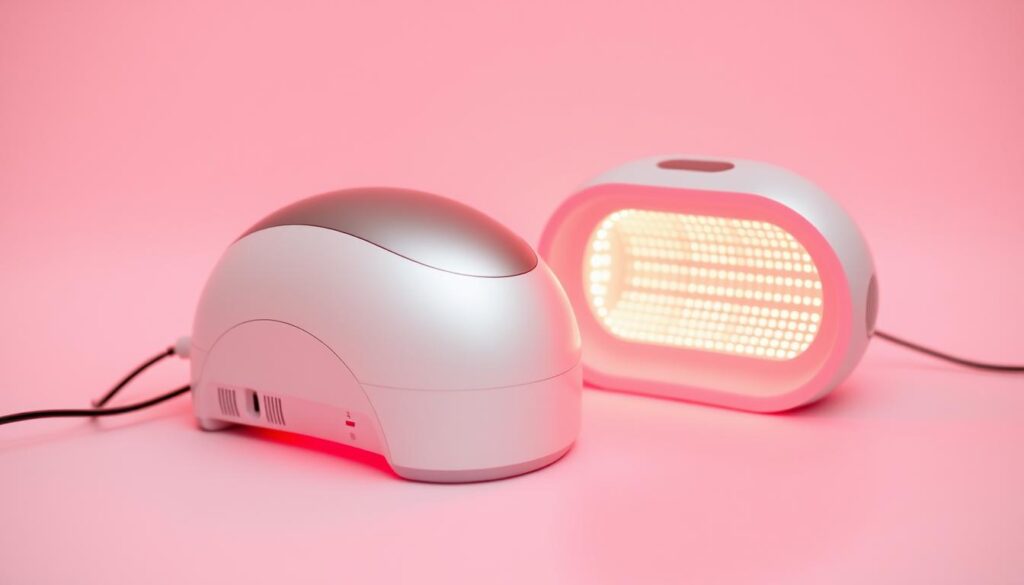
Professional clinic systems deliver higher power output for faster, more dramatic results. These larger panel systems or full-body beds can treat extensive areas simultaneously. They’re ideal for comprehensive facial treatment or body concerns.
Features of Home-Based Devices
Home devices provide convenience and privacy for regular use. Several types are available to suit different needs and preferences.
LED face masks cover the entire face and are popular for consistent treatment. Handheld wands offer precision for targeting specific areas. Panel devices range from small desktop versions to larger floor-standing models.
While home equipment typically operates at lower power levels, they allow for flexible scheduling. Many people appreciate the ability to multitask during sessions. This convenience supports consistent treatment routines.
It’s important to choose FDA-cleared home devices for safety and effectiveness. These approved options have demonstrated equivalent performance to other market devices.
The cost consideration also matters. Professional sessions typically cost $80+ each, while home devices involve higher upfront investment but unlimited usage. Some users find combining occasional professional sessions with regular home maintenance offers the best balance.
Safety Guidelines and Best Practices
Using light-based treatments confidently starts with understanding simple safety measures. This approach has an excellent track record when used correctly. The key is following basic guidelines to ensure a positive experience.
It’s important to know this method does not use ultraviolet (UV) rays. This means it doesn’t carry the risks associated with sun exposure or tanning beds. Your safety is supported by its non-invasive nature.
Managing Side Effects and Irritation
Most people experience no significant issues. A small number might notice minor, temporary side effects. These can include slight redness, dryness, or mild skin irritation.
These effects usually fade quickly on their own. If they occur, they often signal your skin is responding. You can manage them by reducing session time or frequency temporarily.
Keeping your skin clean before each treatment helps. So does using gentle skincare products and staying hydrated. This minimizes potential for any irritation.
Tips for Safe Usage
Always follow the manufacturer’s instructions for your device. This includes the recommended distance, duration, and frequency of sessions. Never exceed the suggested time.
Protecting your eyes is crucial. Wear the provided protective goggles or keep your eyes closed during facial treatment. This prevents any risk of damage from direct, intense light.
If you have specific health conditions or take medications that increase light sensitivity, consult your doctor first. Starting with shorter sessions allows your skin to build tolerance gently.
Integrative Approaches: Combining Treatments for Optimal Results
Integrative methods that combine physical treatments with mental wellness practices offer the most complete solution. This multi-faceted approach addresses skin concerns from multiple angles simultaneously.
Use with Topical Acne Medications
Light-based approaches work exceptionally well alongside conventional topical treatments. Research shows this combination often delivers superior results compared to single-method approaches.
Studies demonstrate enhanced outcomes when pairing phototherapy with benzoyl peroxide or topical antibiotics. The light sessions may improve skin receptivity to topical applications. Many users apply their preferred creams immediately after light exposure for maximum benefit.
Integration with Guided Meditations
Adding mindfulness practices creates a powerful three-part strategy. While physical treatments address surface concerns, meditation tackles stress-related triggers.
Practicing guided relaxation during light sessions enhances the overall experience. This holistic approach supports both physical healing and emotional well-being. The combination creates a comprehensive protocol for lasting skin health.
Working with healthcare providers helps design personalized integrative plans. This tailored approach ensures optimal results for your specific needs and skin type.
Practical Tips for Maximizing Clearer Skin
To achieve lasting improvements in your complexion, establishing a consistent treatment schedule is essential. Research shows that regular application yields better outcomes than sporadic intensive sessions.
Session Frequency and Duration
Most effective protocols involve sessions lasting 10-20 minutes. Starting with 15-minute applications provides a good balance between effectiveness and practicality.
Aim for 3-5 sessions weekly during the initial phase. This frequency aligns with successful clinical studies while fitting into busy schedules. Consistency matters more than intensity.
Most people notice visible improvements within four weeks. Clinical data shows approximately 43% reduction in total lesions at this milestone. Ongoing applications over several months typically yield optimal results.
Transform your treatment time into a holistic practice by incorporating guided meditation. The 15-minute window perfectly matches typical meditation durations. This combination addresses both physical and emotional factors influencing skin health.
Keep a simple journal to track your progress and maintain motivation. Note any changes in your complexion and overall skin texture. This helps you stay committed to your routine.
Conclusion
The path to healthier skin combines cutting-edge technology with time-tested wellness practices. Scientific evidence confirms that this gentle approach delivers meaningful improvements for common skin concerns.
This treatment offers multiple advantages through its non-invasive nature and minimal side effects. It works by calming inflammation while supporting your skin’s natural healing processes.
Combining light sessions with guided meditation creates a powerful mind-body strategy. This holistic method addresses both physical symptoms and stress-related triggers simultaneously.
While individual results vary, consistent application following evidence-based protocols offers realistic hope for clearer, healthier skin. Consult with skincare professionals to develop a personalized plan for your specific conditions.
You now have the knowledge to take control of your skincare journey with this effective, integrative approach.