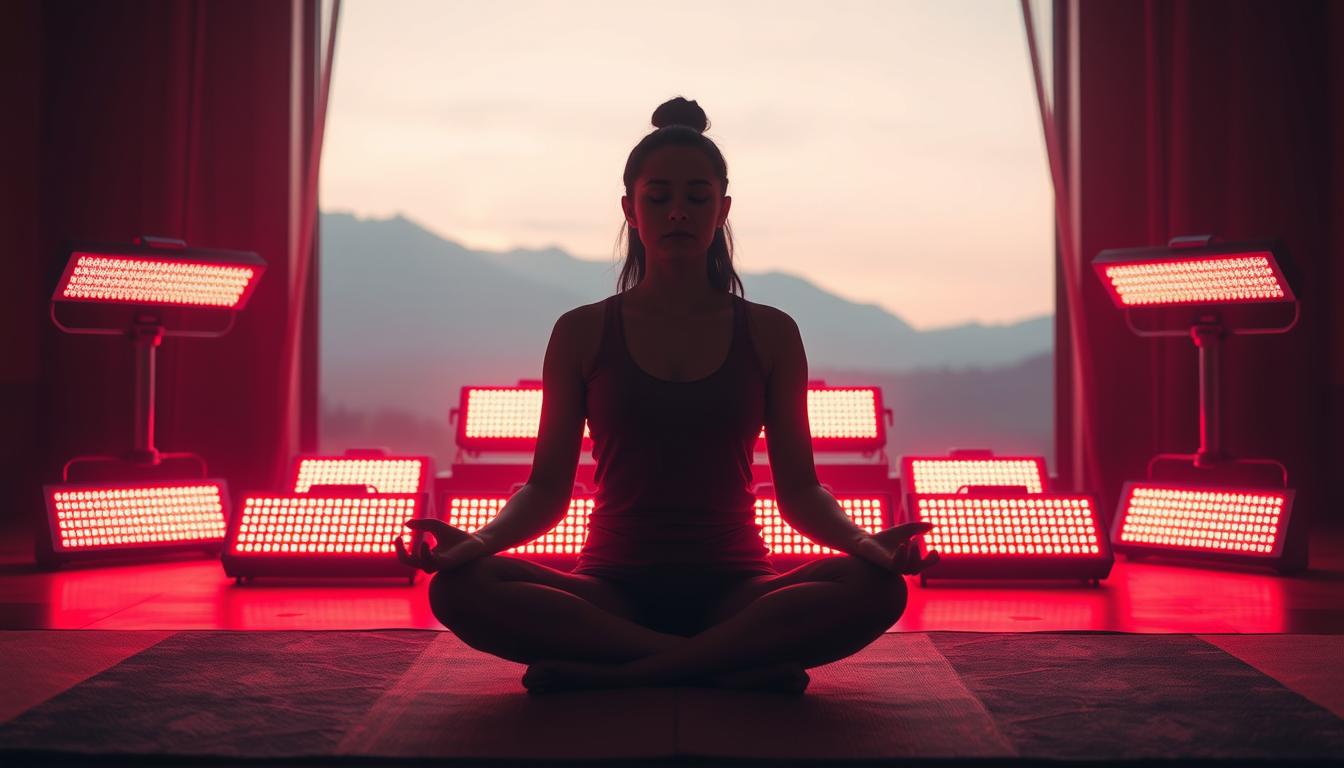
A new approach to wellness is gaining momentum. It moves past simple surface treatments to address inflammation at its source. This method combines two powerful practices for a complete healing experience.
Many people now understand that inflammation is not just a physical issue. It affects our stress levels, mental clarity, and overall vitality. To truly manage it, we need a solution that works on both the body and the mind.
Specially designed guided sessions create a powerful synergy. They help the healing light penetrate more deeply into our systems. This combination can lead to better stress management and more effective relief.
This article explores the science and practical steps behind this holistic approach. You will learn how to achieve a state of deep relaxation and enhanced well-being.
Key Takeaways
- Inflammation impacts both physical health and emotional well-being, requiring a holistic solution.
- Combining specific wavelengths of light with focused mental practices creates a synergistic healing effect.
- This integrated approach can reach deep into the body’s nervous, digestive, and respiratory systems.
- Guided sessions are designed to amplify the benefits, leading to deeper relaxation.
- This method offers a more comprehensive path to reducing inflammation and improving vitality.
Exploring Red Light Therapy and Guided Meditation
Combining ancient mental practices with cutting-edge light technology offers unprecedented benefits. This powerful duo addresses wellness from multiple angles, creating a comprehensive approach to health.
Understanding Red Light Therapy Fundamentals
Red light therapy uses specific wavelengths to penetrate deep into tissues. It stimulates cellular energy production and promotes natural healing processes. The technology works at the mitochondrial level to enhance cellular function.
The Role of Guided Meditation in Healing
Rooted in the Latin word “meditatio,” meaning healing, this practice nurtures the mind through structured exercises. A guiding voice helps maintain focus and attention during sessions. This approach is particularly helpful for those new to mental exercises.
Specially designed sessions combine visualization and breathwork techniques. They align perfectly with the body’s natural healing rhythms. Many people find this structured approach more accessible than silent practice.
| Physical Benefits | Mental Benefits | Combined Impact |
|---|---|---|
| Lowered cortisol levels | Reduced anxiety | Enhanced relaxation |
| Improved sleep quality | Quieter mind chatter | Better stress management |
| Stronger immune function | Emotional balance | Comprehensive healing |
These specialized guided sessions are available for purchase and create real synergy with light treatments. They help achieve a state of deep peace and accelerated recovery.
Redlight Therapy Meditation: Unlocking Deeper Inflammation Relief
When specific wavelengths meet mindful intention, a unique healing synergy emerges that targets inflammation at its deepest levels. This combination works on both cellular and neurological pathways for comprehensive results.
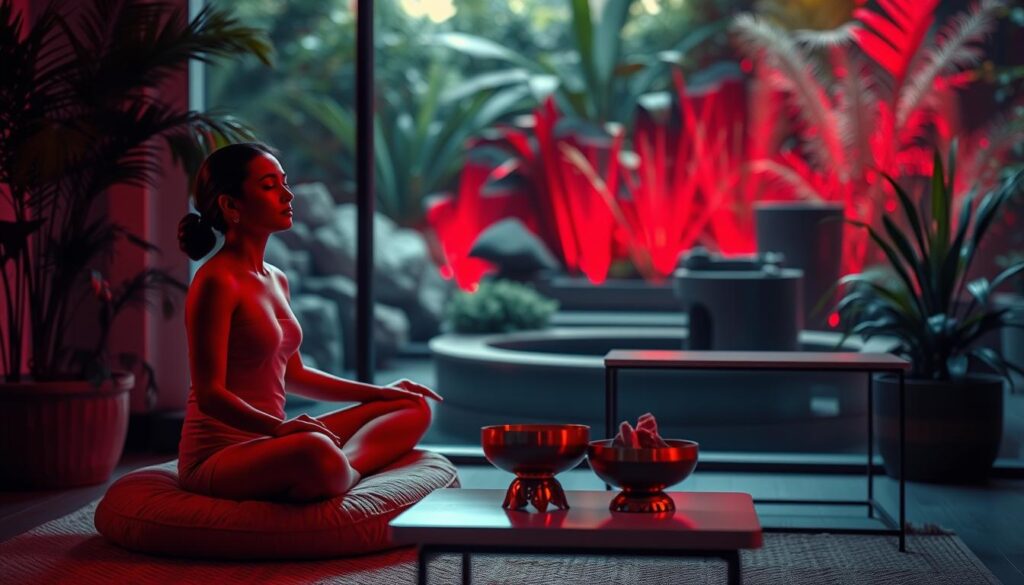
How Redlight Therapy Enhances Meditation Benefits
The gentle warmth and rhythmic pulses of specific light wavelengths create an ideal foundation for mental focus. This physical anchor helps maintain attention during practice, preventing distraction.
Scientific research shows this approach stimulates alpha and theta brainwaves. These are the same states associated with deep relaxation and meditative calm.
Studies indicate the combination improves heart rate variability (HRV). Higher HRV signals better nervous system balance and stress resilience.
| Individual Benefits | Combined Benefits | Synergistic Impact |
|---|---|---|
| Cellular energy production | Deeper mental focus | Enhanced healing response |
| Reduced cortisol levels | Improved emotional balance | Comprehensive inflammation reduction |
| Physical recovery support | Mental clarity enhancement | Whole-system wellness |
Specially designed guided sessions incorporate visualization techniques that align with cellular processes. Users report more profound experiences compared to using either method alone.
This integrated approach addresses inflammation holistically. It simultaneously works on physical markers and stress-related factors for optimal results.
Step-by-Step Guide to Combining RLT with Meditation
The effectiveness of your integrated wellness routine depends heavily on creating an optimal setting for deep restoration. Proper preparation transforms your experience from ordinary to extraordinary.
Setting Up Your Red Light Therapy Session
Begin by positioning your light device at the recommended distance. Most units work best when placed 6-12 inches from your body. Ensure the light covers your target areas evenly.
Start with shorter sessions of 10-15 minutes. Gradually increase as your comfort grows. Consistency matters more than duration in the beginning.
Synchronizing Your Meditation Practice with RLT
Start your mental exercise as the light begins its work. This timing creates natural harmony between physical and mental processes. The gentle warmth provides a perfect anchor for focus.
Choose guided audio that matches your session length. This prevents interruptions and maintains flow. The combination should feel seamless and natural.
Optimizing Your Environment for a Healing Experience
Create a dedicated space free from distractions. Dim overhead lighting to let the therapeutic glow dominate. Comfortable temperatures around 70-72°F work best.
Add subtle elements like soft music or calming scents. These enhancements deepen your state of relaxation. Your space should feel like a personal sanctuary.
Physical comfort is essential for sustained practice. Use supportive cushions or reclining chairs. The goal is maintaining ease throughout your session.
With these steps, you’ll create an atmosphere of profound peace. Your body and mind can fully embrace the healing potential.
Insight into the Science and Benefits of RLT and Meditation
Research demonstrates that combining specific light wavelengths with intentional mental focus creates measurable changes in brain structure and stress response systems.
Scientific Research Behind Photobiomodulation
Studies show that targeted light exposure directly influences the amygdala, our brain’s stress center. This area controls anxiety responses and emotional reactions.
Regular sessions can actually reduce amygdala size and activity. This leads to better stress resilience and lower anxiety levels.

Mental practices simultaneously strengthen the prefrontal cortex. This brain region handles emotional regulation and executive function.
Impact on Brain Function and Stress Relief
The combination helps regulate cortisol, our primary stress hormone. Balanced cortisol levels support healthy circadian rhythms and prevent chronic elevation.
This approach also boosts production of mood-enhancing neurotransmitters. Serotonin and dopamine levels increase, promoting emotional balance and mental clarity.
These brain-based benefits directly combat inflammation throughout the body. Chronic stress drives systemic inflammation, so calming the nervous system provides comprehensive relief.
Many people experience significant improvements in mental health conditions. The synergistic effects address both biological and psychological aspects of wellness.
Practical Tips for Your Red Light Therapy and Meditation Routine
Creating a personalized routine that fits your lifestyle ensures long-term success with wellness practices. Start with 2-3 combined sessions weekly, each lasting 15-20 minutes. Listen to your body and adjust based on your response.
Improving Sleep, Mood, and Hormonal Balance
Schedule sessions at the same time daily to establish a consistent habit. This trains your nervous system to anticipate healing states more quickly. Many people notice sharper mental clarity and improved focus after regular practice.
Keep a simple journal to track energy levels, mood, and sleep quality. This helps you recognize subtle improvements that might otherwise go unnoticed. The combination becomes a cherished self-care ritual you’ll look forward to.
Daily Practices and Long-Term Wellness Strategies
Integrate this practice into a broader wellness strategy that includes proper nutrition and hydration. Use guided audio specifically designed for light sessions rather than generic tracks. These specialized recordings maximize synergistic benefits.
While relaxation benefits appear quickly, deeper healing effects develop over weeks to months. Consistent practice supports reduced inflammation and lasting improvements in mental health. This approach transforms wellness from obligation to enjoyable restoration.
Pair your sessions with complementary therapies like massage for enhanced relaxation. The energizing effects can make a noticeable difference in daily productivity and overall vitality.
Conclusion
Achieving deep, lasting relief from inflammation demands more than surface-level solutions. This integrated approach combines red light therapy with guided meditation to address wellness at multiple levels simultaneously.
The practice requires minimal equipment and fits easily into daily life. Sessions of 15-30 minutes can transform your health from the comfort of home. Benefits extend well beyond reducing inflammation to include better sleep, mood enhancement, and mental clarity.
For optimal results, consider investing in specialized guided meditation sessions designed specifically for light therapy use. These tools maximize the healing potential of your practice. You’re taking control of your wellness journey with a commitment to whole-person health.