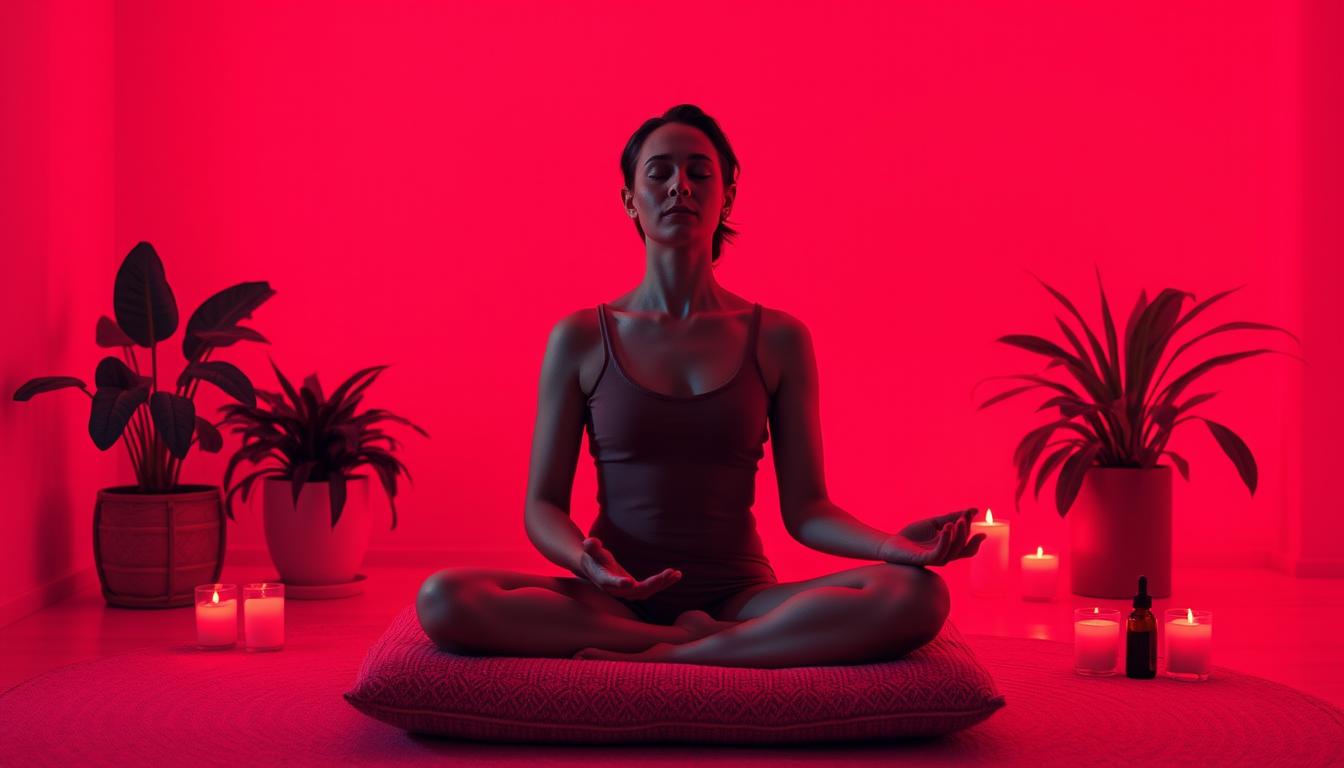
Many wellness enthusiasts have discovered the benefits of using specialized devices that emit therapeutic wavelengths. They invest in quality equipment and set aside time for their sessions. However, there’s a common oversight that prevents them from experiencing the full potential of their practice.
Simply sitting under the gentle glow isn’t maximizing what’s possible. The real transformation happens when you actively engage your mind during these sessions. This approach combines two powerful wellness methods to create something greater than either can achieve alone.
This isn’t about adding more work to your routine. It’s about working smarter with what you already have. You’ll discover how to turn passive exposure into an active healing experience that nurtures both body and mind.
Key Takeaways
- Passive exposure to therapeutic wavelengths misses significant benefits
- Active mental engagement during sessions creates synergistic effects
- Combining practices delivers results beyond what each offers separately
- This approach requires no extra time, just more intentional practice
- The method addresses both physical and mental wellness simultaneously
- Proper technique can help overcome common distractions during sessions
- Transforming your routine leads to deeper levels of inner peace
Introduction: Rediscover the Power of Light and Meditation
What if the key to unlocking deeper healing benefits lies not in the equipment itself, but in how we engage with it? This intentional approach transforms simple exposure into a powerful practice that addresses both physical and mental wellness.
What is Red Light Meditation?
Red light meditation combines focused mental exercises with therapeutic wavelengths to create holistic healing. It’s not just sitting near a device—it’s actively engaging your brain while your cells absorb beneficial energy.
This practice channels thoughts rather than trying to eliminate them. The process involves photobiomodulation, where energy penetrates tissues and activates cellular production. This makes it a perfect complement to mental exercises.
Why Passive Exposure Falls Short
Simply sitting under therapeutic devices without mental engagement misses synergistic effects. Your brain needs active direction during exposure to maximize neurological benefits.
Passive approaches might offer some physical advantages. However, without intentional consciousness guidance, you leave significant emotional healing potential untapped. True transformation requires combining both practices with purpose.
The combination delivers results beyond what each method offers separately. It’s about working smarter with what you already have to nurture complete well-being.
Understanding the Synergy Between Red Light Therapy and Meditation
The true magic happens when cellular-level benefits meet conscious mental engagement in a single practice. Research reveals how these approaches work together to create powerful wellness effects.
Scientific Insights into Light Therapy
Studies show that specific wavelengths penetrate tissues differently than other types. Longer wavelengths with less energy create relaxation without disrupting natural rhythms.
This approach modulates activity in the brain’s stress center. Changes in gray matter correlate with reduced anxiety levels. The combination makes your system fundamentally more resilient.
The Role of Meditation in Stress and Hormone Regulation
Mental practices change brain structure and function to build resilience. They work with therapeutic approaches to regulate critical hormones.
The combination balances cortisol and melatonin production. It also supports serotonin release for overall well-being. Morning sessions promote alertness while evening practice encourages quality sleep.
This synergy creates a balanced internal system that responds better to daily challenges. You’ll experience real-world benefits like feeling more alert and less reactive to stress.
Enhancing Your Routine with Red Light Meditation
The most effective approach to holistic well-being involves merging conscious awareness with cellular rejuvenation techniques. This combination creates a powerful daily practice that addresses both mental clarity and physical vitality.
Step-by-Step Guide to a Focused Meditation Practice
Begin with just 10-15 minutes daily in a quiet space. Sit comfortably and focus on natural breathing patterns. Allow thoughts to flow without judgment during your session.
Gradually extend your practice time as you build consistency. This approach makes the routine feel achievable rather than overwhelming. The key is consistency over duration.
| Session Type | Duration | Focus Technique | Best Time |
|---|---|---|---|
| Morning Practice | 10-15 minutes | Breath awareness | Upon waking |
| Evening Session | 15-20 minutes | Body scanning | Before bedtime |
| Weekend Deep Practice | 20-30 minutes | Visualization | Mid-day |
Integrating Red Light Exposure Effectively
Position your therapeutic device about 12-18 inches away during sessions. Keep eyes gently closed while facing the gentle glow. This allows skin exposure while maintaining mental focus.
Morning sessions promote alertness while evening practice encourages deep relaxation. The body enters a calm state where cellular benefits work synergistically with mental peace.
Consistent daily practice creates significant wellness improvements. This holistic approach nurtures both physical and emotional well-being simultaneously.
Practical Tips to Maximize the Effects of Light Therapy and Meditation
The difference between average and exceptional outcomes often lies in the subtle adjustments you make to your daily practice. These strategic enhancements can significantly boost your overall wellness benefits.
Balancing Hormones and Boosting Serotonin Naturally
Your body’s hormone regulation plays a crucial role in achieving optimal results. Proper timing of sessions helps balance cortisol and serotonin levels naturally.
Morning practice supports healthy cortisol patterns for daytime alertness. Evening sessions encourage melatonin production for restful sleep.
Holistic Techniques for Emotional and Physical Wellness
Combine breathwork and visualization during your sessions for comprehensive benefits. This approach addresses both emotional calm and physical rejuvenation.
Body scanning techniques enhance cellular response while reducing anxiety. Consistent practice builds resilience against stress-related health concerns.
Leveraging Technology and Timing for Optimal Results
Choose devices that offer consistent wavelength delivery for reliable effects. Position your equipment 12-18 inches away during practice.
Track your progress with a simple journal to identify what works best. Small, consistent adjustments lead to significant long-term improvements.
| Session Goal | Duration | Best Time | Key Focus |
|---|---|---|---|
| Energy Boost | 10-15 minutes | Morning | Breath awareness |
| Stress Relief | 15-20 minutes | Evening | Body scanning |
| Deep Healing | 20-30 minutes | Weekends | Visualization |
Conclusion
True transformation occurs when we move from passive reception to active participation in our healing practices. Your therapeutic device becomes more than equipment—it transforms into a partner for holistic wellness.
The combination of physical and mental approaches creates benefits that neither method achieves alone. This synergy addresses stress, anxiety, and hormone balance while improving sleep quality and overall health.
Just fifteen minutes daily can produce significant results for both body and mind. This practice offers a safe, non-invasive approach backed by research, making it accessible to anyone seeking relief.
Start today by viewing your sessions as intentional healing time. This simple shift turns routine into remarkable transformation, guiding you toward a more balanced and peaceful state.