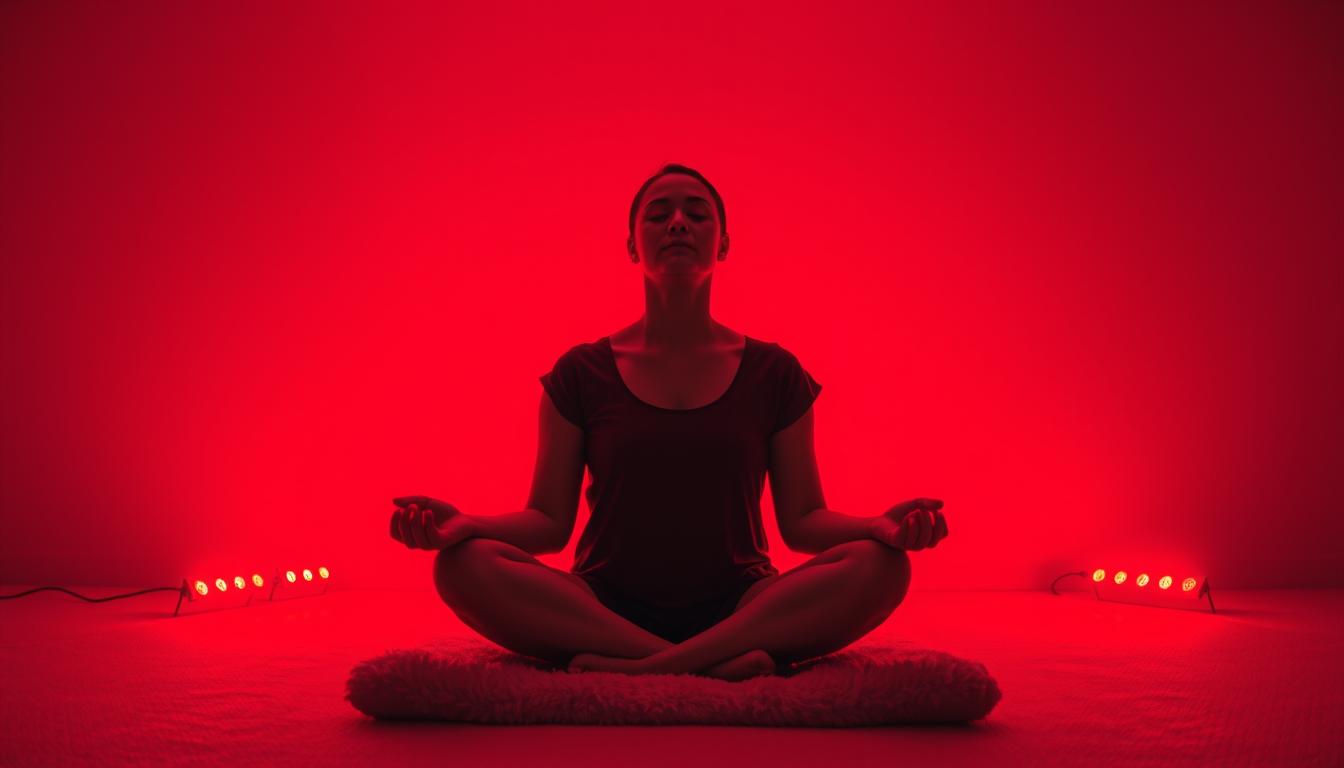
You know, over 50 million Americans live with pain that just won’t quit, and only about 30% find full relief from regular meds. Crazy, right? That’s why so many people are looking for other ways to feel better.
Enter red light-assisted visualization! It’s this cool, natural method that mixes the healing vibes of light therapy with the awesome power of your own mind. People are really starting to pay attention to it as they search for gentler options than just popping pills or going through procedures.
The cool thing about this combo is how it works together. When special light hits your body and you focus your mind, something pretty amazing can happen. Your body’s natural ability to heal might just kick in better than if you used either method alone.
Scientists are getting super interested in how these two things combined can change how we feel pain. And many folks using it say they don’t just get quick relief, but actually feel better overall and have a much better quality of life.
Let’s talk about how red light-assisted visualization actually works, what the science says, and easy ways you can try it out for yourself. Whether you’re dealing with just a little ache or long-term pain, this natural approach might be exactly what you’ve been searching for.
The Power of Combining Light and Mind for Pain Relief
Ever think about how cool it would be to tackle pain from all sides? Well, combining red light therapy with visualization pretty much does that! It’s this awesome duo that works together, often giving you way more relief than if you just used one on its own.
Here’s the lowdown: Red light therapy actually works deep down in your cells, sending specific light waves that boost energy and kickstart healing. Meanwhile, visualization is all about using your brain’s incredible power to change how you feel that pain. It’s like giving your brain a new way to understand those pain signals.
When these two methods come together, it’s not just a simple addition; it’s what pros call a “synergistic effect.” Basically, the combined power is much greater than the sum of its parts. The light helps with the physical stuff, and your mind helps you reshape your whole relationship with the pain.
Think about it: your mind and body are totally connected. What affects one definitely influences the other. So, by hitting pain from both angles, red light-assisted visualization offers a more complete path to feeling better than just focusing on one thing.
What’s the Deal with Red Light Therapy?
Red light therapy is this cool, non-invasive (meaning no needles or surgery!) treatment that uses special light to help with pain. It’s gotten super popular because it’s gentle yet effective, and it doesn’t involve meds or complicated procedures. That makes it a great option if you’re looking for natural ways to manage pain.
Unlike those harmful UV rays that can zap your skin, red light therapy uses safe wavelengths that go deep down, past your skin, to really kickstart healing from the inside. Here’s how this awesome therapy works and why so many people dealing with ongoing pain are totally loving it.
How Red Light Therapy Works
Basically, red light therapy sends specific light wavelengths (we’re talking 630-670nm for red light and 810-850nm for near-infrared light) right into your skin at different depths. You won’t feel heat from these lights; instead, they’re doing their magic at a tiny, cellular level.
When these light waves hit your cells, they interact with something called mitochondria – think of these as the tiny power plants inside your cells. This interaction boosts the production of something called ATP, which pretty much charges up your cells with more energy!
With all that extra energy, your cells can work better, fix damage faster, and even calm down inflammation. Picture it like giving your cells a natural “tune-up” that helps them heal and regenerate without any weird side effects.
Why It’s Great for Pain
Red light therapy offers a few cool ways to zap pain, and they all work together for both quick relief and long-term benefits. Stick with regular sessions, and you could see some real improvements in various pain issues.
- Less Swelling (Inflammation): It helps calm down the stuff in your body that causes inflammation, leading to less swelling and pain within a day or two.
- Better Blood Flow: It gets your blood moving to damaged areas, bringing in more oxygen and speeding up healing.
- Faster Fix-Up: It kicks your cells into high gear to repair themselves, helping you recover from injuries quicker.
- Calms Nerves: It can help quiet down those overactive pain signals from your nerves, making affected areas less sensitive.
These benefits really build up over time if you use the therapy consistently. While some folks feel better right after one session, most people see the best results from sticking with regular treatments for a few weeks as the healing effects add up.
How Your Mind Can Help with Pain (The Science of Visualization)
Ever wonder how just thinking about something can make a difference in how much pain you feel? Well, there’s real science behind visualization! When you picture things in your mind, you’re not just daydreaming – you’re actually turning on parts of your brain that can change how pain signals get processed. This powerful mind-body trick is getting a lot of attention in both regular medicine and other healing methods because it really helps with pain.
Your Brain and Body: Totally Connected
Your brain and body are constantly chatting through a super complex network. When you feel pain, signals zip from that sore spot up to your brain, which then decides, “Yep, that hurts!” Visualization works by actually influencing that decision process, basically telling your brain to see those signals a bit differently.
Research shows that when you picture positive, healing things, your brain actually releases endorphins – these are your body’s natural painkillers, kind of like your own internal opioids! Plus, visualization helps chill out stress hormones like cortisol, which can sometimes make pain feel even worse.
And get this: your brain is “neuroplastic,” meaning it can actually change and form new connections. So, with regular practice, you can actually rewire how your brain reacts to pain signals, leading to lasting relief. Pretty cool, huh?
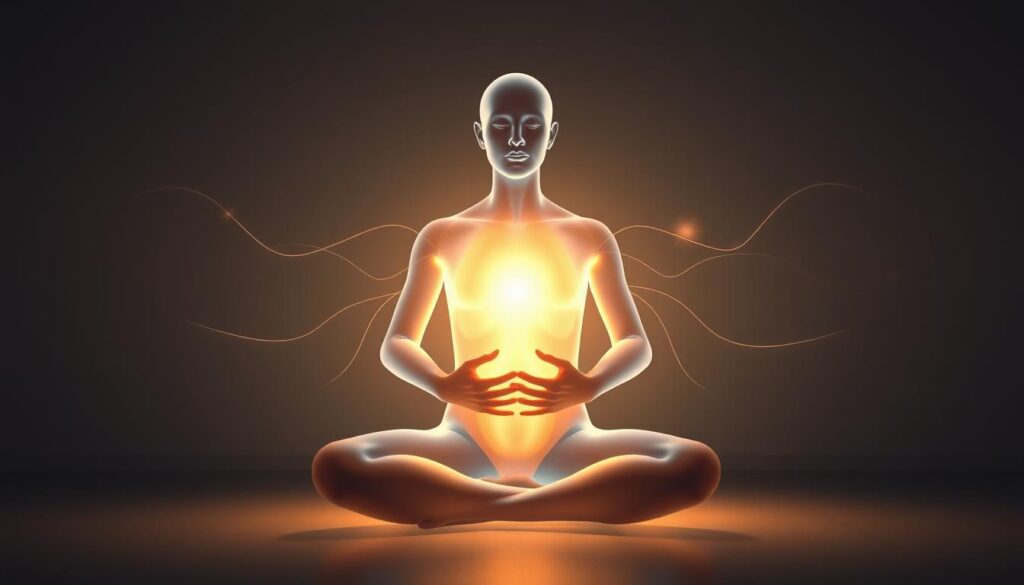
Common Visualization Techniques
There are a few popular ways to use visualization for pain. You can totally tweak these to fit what feels best for you and your specific pain:
| Technique | Description | Best For | Practice Time |
|---|---|---|---|
| Healing Light | Imagine warm, healing light flowing into painful areas | Pain that’s in one specific spot | 5-10 minutes |
| Pain Transformation | Picture your pain transforming, like a sharp stab becoming a dull ache. | Sudden, sharp pain | 3-5 minutes |
| Pain Removal | Imagine the pain leaving your body, maybe as colored smoke or liquid draining away. | Ongoing, chronic pain | 5-15 minutes |
| Peaceful Place | Close your eyes and put yourself in a calm, totally pain-free environment. | Pain linked to stress | 10-20 minutes |
The secret to really making these work is to practice regularly and be patient. Some people feel better right away, but for others, it might take a few sessions to notice a big difference. Being consistent is super important for building this skill and getting the most pain relief out of it.
Red Light + Visualization: The Perfect Combo
Here’s a cool idea that’s shaking up how we deal with pain: bringing together the physical benefits of red light therapy with the awesome mental power of visualization. This combo creates a way to tackle pain from both your body and your mind, and when they work together, you might just get more relief than from either method alone.

Why This Combination Works
Red light-assisted visualization works so well because it gets different parts of your body involved at the same time. The red light isn’t just physically healing; it’s also a great visual anchor for your mind to focus on during visualization.
When you zone in on that warm, gentle red glow, it gives your brain something real to concentrate on. This makes visualization easier, even if you’re new to it, and helps you get into that calm, meditative state needed for deep healing. It’s like the light connects your physical therapy with your inner healing process.
Meanwhile, the red light is doing its thing physically – boosting blood flow, calming inflammation, and helping your cells repair themselves – no matter what you’re thinking. But here’s the kicker: studies suggest that when you actively visualize healing while soaking up that red light, your body might become even more open to those physical benefits.
It’s a two-way street! The red light helps your body and makes visualization easier, and your visualization might just amp up your body’s response to the light. It’s a real partnership that hits pain from every angle.
What the Science Says
Scientists are getting pretty excited about combining red light and visualization for pain relief. While studies specifically on this exact combo are still new, we know a lot about each part, and the results suggest they’re even better together.
For example, research has shown that red light therapy on its own can cut pain levels by a good chunk – up to 30% in some cases of ongoing pain. And visualization? That’s been proven effective too, with some studies showing it reduces pain by about 27%.
Using fancy imaging, researchers have even seen that when these therapies are combined, blood flow to painful areas increases even more, meaning more good stuff like oxygen and nutrients get to where they’re needed.
Though we’re still waiting for more big studies on red light-assisted visualization, early findings are super encouraging. One small study from 2022 found that people who used both techniques together reported about 40% more pain reduction than those who just did one or the other!
As we learn more, the idea of this combo making a real difference makes a lot of sense, especially with how much we’re learning about the amazing connections between our mind and body when it comes to pain.
Ready to Start? Here’s What You Need
Getting set up for red light-assisted visualization means picking the right gear and making your space feel chill and ready for relaxation. Having the right stuff in the right spot sets you up for a practice that can really help with pain naturally. Let’s look at what you’ll need to kick things off.
Picking Your Red Light Device
Red light devices come in all shapes and sizes, and each is good for different things. Knowing your options will help you pick what’s best for you.
You’ll usually see LED panels, handheld units, and masks. Panels are great for bigger areas like your back, or if you have pain in multiple spots. Handheld devices are super flexible for targeting specific painful areas. Masks are mostly for your face, but can be helpful for headaches too.
When you’re shopping, keep an eye out for these important details:
- Wavelengths: Look for devices that offer 630-660nm (red light) and/or 810-850nm (near-infrared light). These are the ones that really seem to help with pain.
- Power: You want something that delivers 20-100 mW/cm² where you’ll be using it.
- Size: Think about how big the area is you want to treat.
- FDA cleared: This just means it’s met safety standards.
Prices can swing wildly, from about $50-$100 for a basic handheld device to $300-$500 for a decent panel, and over $1,000 for pro-level gear. While your budget matters, getting a device with the right specs will give you better results than just going for the cheapest option.
Making Your Space Just Right
The place where you do your red light visualization really affects how well it works. Creating a special spot helps your brain know it’s time to focus on healing.
First, find a quiet room where you won’t be bothered. Make sure the temperature is comfy – a little warm is good, as being too cold can make you tense up. Dim any bright lights and maybe use blackout curtains if you’re practicing during the day.
Set up your device about 6-12 inches from the area you’re treating, following the instructions. Make sure you have a cozy spot to sit or lie down so you can stay in that position for 10-20 minutes without discomfort.
To make it even better, you might add:
- A comfy cushion or mat.
- A timer with a gentle sound.
- Soft background music or nature sounds (no words!).
- Calming essential oils like lavender.
Remember, doing it consistently is more important than having the perfect setup. Don’t let trying to make everything perfect stop you from starting. Many people begin with simple setups and upgrade their space as they figure out what works best.
Step-by-Step Guide to Red Light-Assisted Visualization
Ready to combine red light therapy with your mind’s power for pain relief? Here’s a step-by-step guide that will help you get started. It’s like your own personal, at-home healing session!
Getting Ready
Before you start, set the scene for relaxation. Pick a quiet time when you won’t be interrupted for at least 20-30 minutes. That uninterrupted time helps your mind to really get into it.
Place your red light device about 6-12 inches from the painful area. If you’re using a panel, make sure the light hits the spot comfortably. For handhelds, just make sure you can hold it steady without straining.
Get comfy, sitting or lying down, in loose clothes. Turn on your device and let your eyes get used to the gentle red glow. This helps tell your brain it’s time to start healing.
Time to Visualize!
Once you’re cozy with the red light on, start with some deep belly breaths. Breathe in slowly through your nose for a count of four, hold briefly, then breathe out slowly through your mouth for six. Do this 5-10 times to help you relax before diving into your chosen visualization.
These techniques are like mental guided tours that work hand-in-hand with the red light. Pick the one that feels right for you, or try them all to see what helps most.
- Healing Light: As the red light touches you, imagine it sinking deep into your body. See it as a warm, glowing energy flowing right to your pain. Picture tiny light particles dissolving tension and fixing damaged cells. If it’s muscle pain, see the light relaxing tight fibers. For joints, imagine it lubricating and cushioning. Hold this image for 5-10 minutes, breathing deeply and focusing on healing.
- Pain Transformation: Acknowledge your pain without judgment. Give it a shape, color, or texture in your mind – maybe a sharp red spike or a heavy gray stone. As the red light works, watch that image slowly change. The spike might get smooth, the stone lighter, or a tight knot gently loosen. With each breath, see the pain becoming softer, then disappearing. This helps you change how you relate to your pain.
- Soothing Wave: Imagine the red light creating gentle waves of healing energy that flow through your whole body. As you breathe in, see these waves getting stronger. As you breathe out, feel them washing through your painful area, sweeping away tension and discomfort. Picture them cleaning your tissues, bringing in fresh oxygen, and carrying away anything that causes pain. Let the waves match your breath for a super calming effect.
Tips for Enhanced Results
Be consistent: Try for daily sessions of 15-20 minutes, ideally at the same time, to make it a habit. Mornings or evenings often work best.
Move a little: A light stretch or short walk before or after your session can boost circulation and make your practice even more effective.
Track your progress: Keep a simple journal. Jot down your pain level (1-10) before and after each session, and note which visualization you used. This helps you see what works best.
Be patient: Like any skill, visualization gets easier with practice. If your mind wanders, just gently guide it back. Don’t beat yourself up – staying focused gets easier over time.
Consider a guide: You can record yourself saying the visualization steps or use an app. Hearing instructions can really help you focus, especially when you’re starting out or if pain makes it hard to concentrate.
Your Path to Natural Pain Relief Starts Here
So, there you have it! Red light-assisted visualization is a powerful, natural way to tackle pain, bringing together the healing benefits of light with the incredible power of your own mind. By understanding how it works, getting set up right, and practicing consistently, you can unlock a new path to feeling better. It’s about empowering yourself to find relief, naturally. Give it a try – your body and mind might just thank you!