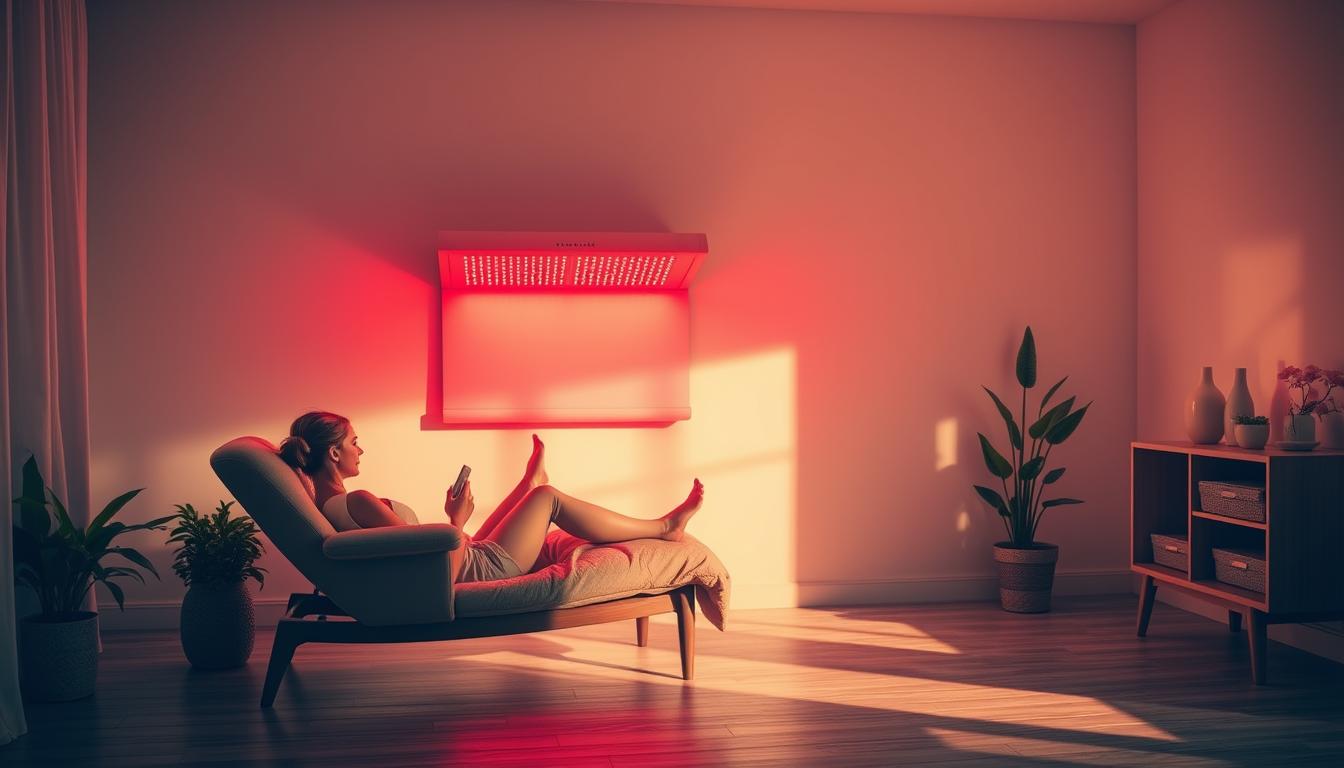
Feeling like you’re always on the lookout for those little things that could seriously boost your day-to-day well-being? You’re definitely not alone! It turns out, people who stick with consistent wellness habits often see a real jump in their overall quality of life. And guess what’s been getting a ton of buzz in the self-care world lately? Red light therapy (you might hear it called photobiomodulation, but let’s stick with red light therapy for short).
This isn’t some complicated, time-consuming ritual. Instead, it’s a super cool tool that uses specific light wavelengths to give your cells a little pick-me-up and help your body do its healing thing. The best part? It’s surprisingly easy to fit into even the craziest schedules, whether you’re juggling work, family, or crushing your fitness goals.
We totally get it — adding something new to an already packed day can feel a bit much. That’s exactly why we put together this guide. We’re going to show you how to easily slip red light sessions into your morning coffee routine, your midday break, or even your evening wind-down.
The real beauty here is how flexible it is: no need to overhaul your entire life, just a few smart tweaks that can deliver some seriously awesome benefits. Let’s get started and make being consistent feel effortless!
So, what’s the big picture here?
- Fitting it in is easier than you think. You don’t need to block out huge chunks of time; red light therapy can totally slide into your existing routine.
- Timing can make a difference. A morning session can be your wake-up call for energy, while an evening treatment is perfect for winding down and boosting recovery for a better night’s sleep.
- Consistency beats long sessions. It’s better to do a little bit regularly than a lot rarely. Think small, consistent doses for the best results!
- Target your treatment. Different parts of your body respond best to specific ways of using the light, so make sure you’re aiming correctly for your goals.
- It plays well with others! When you combine red light therapy with other wellness practices, they can actually boost each other’s benefits.
- Take it with you. Got a portable device? Then you can keep up your routine even when you’re on the go!
The Science Behind Red Light Therapy (How Does It Actually Work?)
Ever wonder what’s really happening when you chill out with red light therapy? It’s pretty cool, actually! Unlike harsh UV light that can mess with your skin, red and near-infrared light are super safe and actually help your body out. This awesome tech, sometimes called photobiomodulation, is a huge step forward in natural, no-fuss ways to help your body heal.
How Red Light Gives Your Cells a Boost
So, what happens when those specific red and near-infrared light wavelengths (we’re usually talking around 630-850 nanometers) hit your skin? Something truly wild! These particular light rays go deeper than just the surface, reaching the tiny mitochondria inside your cells – think of them as your cells’ own personal power plants.
Once there, this light energy gives those mitochondria a gentle nudge, basically telling them to crank out more adenosine triphosphate (ATP). And what’s ATP? It’s pretty much your cell’s fuel, its energy currency!
When your cells have more ATP, they can work way better, fix themselves faster, and just generally do their job more efficiently. It’s kind of like how plants use sunlight to grow and thrive, but in your case, the light is directly energizing your cells. Pretty neat, right?
The Awesome Benefits of Regular Red Light Therapy
All this cellular stimulation from red and near-infrared light doesn’t just stay at the cell level; it creates a ripple effect of positive changes throughout your entire body. We’ve seen some incredible benefits from consistent use:
| Benefit | Mechanism | Typical Results | Optimal Wavelength |
|---|---|---|---|
| Skin Rejuvenation | Increased collagen production | Fewer wrinkles and a smoother, happier complexion | 630-660nm (Red) |
| Fighting Inflammation | Reduced inflammatory cytokines | Less pain and swelling | 810-850nm (Near-infrared) |
| Muscle Recovery | Enhanced cellular repair processes | Faster recovery and reduced soreness | 830-850nm (Near-infrared) |
| Wound Healing | Accelerated tissue regeneration | Faster closing of wounds | 660-740nm (Mixed) |
The best part is, modern LED light therapy devices make it easy to get these precise wavelengths consistently right in your own home. The beauty of this therapy is its simplicity – you’re just giving your body a little nudge, and then it does the incredible work of healing itself naturally.
Understanding this science also shines a light on why consistency is so important. Just like you wouldn’t expect to get strong from one workout, the cellular benefits of red light therapy build up over time. It’s a gradual, steady process, and your cells will thank you for it!
Understanding Your Personal Therapy Goals (What Do You Want to Achieve?)
Here’s a secret to really getting the most out of red light therapy: it all starts with figuring out what you want to accomplish. When you know your specific goals, you can totally customize when, how long, and even how close you use your device. While many folks find they get a bunch of benefits all at once (score!), zeroing in on your main objectives will really help you see and celebrate your progress.
Common Red Light Therapy Goals: What’s on Your Mind?
Red light therapy offers a whole spectrum of benefits for different health and wellness concerns. Knowing which ones resonate most with you will guide you for building your perfect daily routine.
Skin Health and Anti-Aging
This is a big one for many! Red light therapy is fantastic for skin health because it nudges your body to produce more collagen. Think of collagen as the building block for youthful skin – more of it means fewer fine lines and wrinkles, plus better elasticity. Regular sessions literally rejuvenate your skin from the inside out, leading to improved tone, texture, and a healthier overall glow.
Easing Pain & Speeding Up Recovery
Whether you’re dealing with nagging chronic pain or bouncing back from a tough workout or injury, red light therapy can be a fantastic support for natural relief. It helps calm inflammation, speeds up tissue healing, and boosts circulation to those areas that need it most. Athletes, especially, value it for getting back in the game faster after intense training.
Sleep Improvement
If you’re dreaming of more restful nights, red light therapy might be your new best friend. Evening sessions can gently signal to your body that it’s time to wind down. This can help regulate your circadian rhythm (your body’s natural sleep-wake cycle) and even support your natural melatonin production, potentially leading to deeper, more consistent sleep.
Energy and Performance Enhancement
Need a natural pick-me-up? Regular red light therapy sessions can actually supercharge your cells by boosting their energy production. This means you might notice improved physical stamina, faster bounce-back after exertion, and even clearer thinking throughout your day. Many people find that morning sessions are particularly effective for really energizing your body and mind for the day ahead.
Choosing the Right Red Light Therapy Device: Your Personal Shopping Guide
So, you’re ready to dive into red light therapy, but now you’re faced with a bunch of devices – from tiny handhelds to full-body setups. How do you pick the right one? Well, getting the most out of your red light therapy journey really comes down to choosing a device that perfectly matches your specific wellness goals. First, you need to understand the main differences among these devices to help you make a smart decision and get the results you’re truly looking for.
Types of Red Light Therapy Devices
Red light therapy devices come in all shapes and sizes, and each has its own perks. Here are some of the most common types:
- Handheld Wands: These are fantastic if you want to target really specific spots, like a stubborn wrinkle or a sore joint. They’re usually super affordable, making them a great starting point if you’re new to RLT.
- Tabletop Devices: Perfect for your vanity or bedside table, these offer good coverage for things like facial treatments. They’re ideal if your main goal is enhancing your skincare routine.
- Panel Systems: Stepping up in size, panels give you much broader coverage, so you can treat larger areas of your body all at once. If you’re looking for more comprehensive relief or recovery, these are a solid choice.
- Flexible Pads: These are super cool because they can literally contour to your body. They’re amazing for wrapping around joints, muscles, or anywhere you need focused pain relief or muscle recovery.
- Full-Body Systems: If you’re serious about full-body wellness and have the space (and budget!), these give you the most complete coverage. They’re a bigger investment but offer a truly immersive experience.
Basic Things to Look for When Buying Your Device
Beyond just the type, there are a few technical bits that really tell you how effective a device will be. Don’t worry, we’ll keep it simple!
Wavelengths: What Light Does What?
Think of different colors of light penetrating to different depths. Red light (around 630-660nm) is like a gentle hug for your skin and surface tissues – great for complexion and superficial healing. Near-infrared light (around 810-850nm) goes deeper, reaching your muscles, joints, and even internal tissues. Many of the best devices offer both so you get a more complete treatment.
Irradiance & Power Output: How Much Power is It Packing?
This is basically how much light energy actually hits your skin. A higher number (often measured in mW/cm²) means more effective treatment in less time. Don’t just fall for “powerful” claims; look for brands that actually state their irradiance numbers. It shows they’re transparent and confident in their product!
Coverage Area: Big or Small?
This goes back to your goals. A smaller device is fine if you’re just targeting a few spots. But if you want to treat larger areas of your body, a bigger panel will save you time and make your sessions much more efficient.
Safety Features: Play it Safe!
Always, always look for devices with built-in timers, automatic shutoffs (so you don’t accidentally overdo it), and good cooling systems to prevent overheating. And here’s a pro tip: check for EMF shielding to minimize exposure to electromagnetic fields during your sessions.
Your Device Manual: Your Secret Weapon!
Once you’ve got your device, please, please read the manual! It’s not the most exciting read, but it’s packed with important info about how far away to hold the device, how long your sessions should be, and how to keep it in tip-top shape. Taking a few minutes to read it means you’ll get the absolute maximum benefit from your investment and avoid any little hiccups along the way.
How to Actually Fit Red Light Therapy into Your Daily Routine
Successfully adding red light therapy to your daily life isn’t about magic; it’s about smart planning that works with your schedule and goals. The good news is, with a little thoughtful setup, you can totally create a routine that gives you consistent benefits without feeling like another chore. Let’s figure out how to build a sustainable practice that truly fits your lifestyle.
Building a Routine You Can Actually Stick With
The best red light therapy routine is one you’ll actually do long-term. Take a good look at your typical day and pinpoint those natural openings where a quick session could seamlessly fit. For lots of us, this might be while you’re getting ready in the morning, during a lunch break, or when you’re winding down in the evening.
Don’t feel like you have to go all-in from day one. Start small and gradually build up! Kicking off with just 2-3 sessions per week allows your body to adjust and makes this new habit much more manageable. As you start feeling the benefits and the routine becomes more familiar, you can always increase the frequency if you want to.
Remember, consistency is way more important than perfection. Even short, regular sessions will give you huge benefits over time, making them a powerful part of your wellness journey.
How Long Should Your Sessions Be?
Session lengths usually range from 5 to 20 minutes, but this can vary based on a few things. Your specific device, the size of the area you’re treating, and your personal goals all play a role. For instance, smaller handheld devices might require shorter bursts on each spot, while larger panels allow for longer, more comprehensive full-body treatments.
Always, always follow your device’s manufacturer recommendations first. It’s smart to start with the minimum suggested time and then gradually increase it. This way, you can see how your body responds and adjust accordingly.
How Often Should You Use It?
Your specific wellness goals often dictate how frequently you should use your device. If you’re tackling something acute (like a fresh injury), daily sessions might be really helpful at first. But for general maintenance or ongoing benefits, 3-4 times a week might be all you need. The secret is to listen to your body – some people thrive on brief daily sessions, while others prefer fewer, longer treatments.
Also, think about when you use it to maximize certain benefits:
| Treatment Goal | Recommended Frequency | Optimal Time of Day | Typical Duration |
|---|---|---|---|
| Energy & Performance | 4-7 days per week | Morning | 5-10 minutes |
| Skin Health | 3-5 days per week | Midday | 10-15 minutes |
| Recovery & Sleep | 3-7 days per week | Evening | 10-20 minutes |
| Pain Management | Daily initially, then 3-4 days | Varies with need | 10-20 minutes |
Morning Red Light Therapy Sessions for Energy and Performance
Imagine starting your day feeling naturally energized and ready to tackle anything. That’s exactly what a strategic red light therapy session in the morning can help you achieve! Those early hours are a golden opportunity to set a fantastic tone for your entire day, all thanks to this amazing light-based treatment.
Benefits of Morning Light Exposure
Morning red light therapy just gets your body. When you use it shortly after waking up, it’s like a friendly signal to your system that it’s daytime. This helps regulate your natural sleep-wake cycle (your circadian rhythm), telling your body, “Okay, time to be alert and energized!”
One of the coolest, most immediate benefits you’ll likely notice is improved circulation. Think of it as a gentle internal massage! This better blood flow means more oxygen and good stuff getting to your cells, giving you a natural energy boost without any of those jittery feelings or sudden crashes you might get from too much coffee.
Plus, science suggests that morning light exposure can actually sharpen your brain. Many people who try it report feeling more focused, remembering things better, and even finding it easier to solve problems after their morning sessions.
“The way you start your morning sets the tone for the rest of your day. Adding red light therapy to your sunrise routine is like giving your body a natural power-up.”
How Long for Your Morning Boost?
For most of us, a quick 5-15 minute red light therapy session in the morning is all it takes to feel those great benefits. The exact sweet spot might depend on how powerful your specific device is and what you’re hoping to achieve.
Even just a quick 5-minute session can make a real difference for your energy and performance. If you’re new to this morning routine, it’s a great idea to start shorter and then slowly increase the time as your body gets used to it.
Here’s a quick guide to help you find your sweet spot:
| Morning Session Length | Energy Benefits | Ideal For | Notes |
|---|---|---|---|
| 5 minutes | Mild alertness boost | Beginners | Perfect for those super busy mornings |
| 10 minutes | Moderate energy increase | Regular users | A balanced amount of time for solid results |
| 15 minutes | Maximum energy enhancement | Experienced users | Great for really optimizing your day |
Syncing It Up with Your Morning Routine
The real beauty of morning red light therapy is how flexible it is! You can easily weave it into what you already do, creating a super-effective “wellness stack” without adding any extra stress to your busy mornings.
Try setting up your device near where you do your meditation – you get mindfulness and light therapy all at once. Or, place it in your bathroom! You can use it while you’re doing your skincare routine, giving both your skin a boost and your energy levels a lift.
Many athletes swear by using red light therapy before their workouts. It helps prime their muscles for activity and gets more oxygen to them, leading to better performance and faster recovery afterward.
Midday Red Light Therapy for Focus and Skin Health
Ever feel that afternoon slump creeping in? Or wish you had more time for your skincare routine? Well, incorporating red light therapy into your lunch break or midday pause could be your new secret weapon! This little window in your day is absolutely perfect for hitting the reset button on both your mental energy and your skin health, right when you need it most.
Banish the Afternoon Slump with Red Light!
We’ve all been there: that post-lunch energy crash where you just want to curl up under your desk. Instead of reaching for another coffee or a sugary snack that gives you a quick high and then a bigger crash, try a short red light therapy session! Just 5-10 minutes can naturally re-energize your brain and body. It works by boosting your cells’ energy production, helping you stay sharp and focused through those often challenging afternoon hours.
“Red light therapy has become my go-to against the 3 PM slump,” shares Dr. Lisa Chen, a productivity researcher. “My patients tell me they feel more focused and have sustained energy without the jitters or crash that comes with caffeine.“
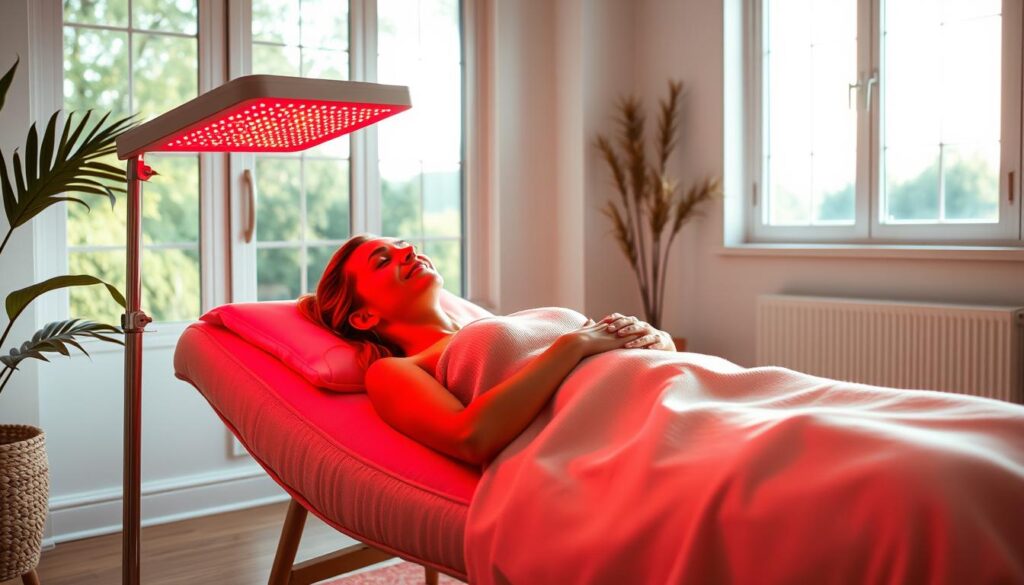
Maximize Your Skin Benefits During Your Break
Your lunch break isn’t just for eating; it’s also a fantastic opportunity for those skin-focused treatments that often get squeezed out during busy mornings. This midday pause lets you properly cleanse your face, getting rid of any makeup or environmental gunk that’s built up.
For the best skin rejuvenation, try applying a light, clean serum before your session. The red light wavelengths can then penetrate more effectively on clean skin, really getting to work on stimulating collagen production and delivering those wonderful anti-aging benefits. Many people start noticing improved skin tone and texture within just a few weeks of consistent midday treatments.
Quick Midday Session Ideas for Busy Bees
Even the busiest among us can fit in red light therapy with these super-efficient ideas:
- The Desktop Reset: If you’re at a desk, simply position a small panel device near you while you’re catching up on emails. Just 5 minutes can give you a quick facial treatment!
- The Lunch Break Boost: Use a handheld device for 10 minutes while you’re eating. This is perfect for really targeting specific skin concerns or a tired area.
- The Meeting Multitask (for remote workers!): Pop on a wearable red light mask during non-video calls. Two birds, one stone!
Remember, consistency is truly what delivers the best results, even more than how long each individual session is. A short, regular session every day will likely give you much more benefits than an occasional longer one. So, keep your device handy at work to make this healthy habit super easy to stick with!
Evening Red Light Therapy for Relaxation and Sleep
Ah, evening! This is a perfect time to let red light therapy work its magic for relaxation, soothing any aches, and really getting your body ready for that deep, restorative sleep. Unlike those morning sessions that give you a jolt of energy, evening treatments are all about calming your system down and promoting recovery. These sessions can quickly become a beloved part of your nighttime routine, especially when you time them just right.
Tapping into Better Sleep with Evening Sessions
Think of using red light therapy about 1-2 hours before you hit the hay. It’s like a gentle whisper to your body, helping to regulate your natural melatonin production. You know how blue light from screens can totally mess with your sleep? Red light is the opposite! Its wavelengths work in harmony with your natural sleep-wake cycle (your circadian rhythm), signaling that it’s time to chill out and get ready for bed.
Studies actually show that getting some red light exposure in the evening can naturally bump up your melatonin levels. This means you might find yourself drifting off to sleep faster and enjoying deeper, more consistent sleep cycles. It’s especially helpful if you sometimes struggle with falling asleep or have restless nights.
For the best sleep benefits, aim for an evening session of around 10-15 minutes. This gives you enough therapeutic exposure without overstimulating your system right before you want to drift off.
Post-Workout Power-Down and Recovery
If you’re someone who hits the gym in the evening, you know those muscles can feel pretty tight and sore afterward. That’s where red light therapy shines as an awesome recovery tool! Using it within 1-2 hours after your workout can really speed up your body’s natural healing process by boosting circulation and calming down inflammation.
Just aim your device at the specific areas that worked hardest during your sweat session. If you’re a runner, focus on your calves and knees. If you’re a lifter, give some love to your chest, back, or legs, depending on what you trained that day.
Many athletes who use this consistently report waking up with noticeably less soreness the next morning. A 15-20 minute session is usually ideal for getting those pain-relief benefits without messing with your sleep.
Crafting a Relaxing Pre-Bedtime Ritual
Creating a consistent pre-sleep routine that includes red light therapy is a wonderful way to signal to your body that it’s time to switch from “go mode” to “rest mode.” Try dimming the lights around your house about an hour before bed – it really sets the mood and complements your therapy session.
For maximum relaxation, combine your 10-20 minute red light session with other calming activities. Gentle stretching, reading a good book, or even a short meditation session all pair beautifully with the red light exposure, creating a powerful synergy for unwinding.
| Evening Activity | Red Light Duration | Timing Before Bed | Primary Benefit |
|---|---|---|---|
| Post-Workout Recovery | 15-20 minutes | 1-2 hours | Muscle repair and pain relief |
| Meditation Session | 10-15 minutes | 45-60 minutes | Mental relaxation and stress reduction |
| Reading Time | 10-15 minutes | 30-45 minutes | Eye relaxation and melatonin regulation |
| Gentle Stretching | 10-15 minutes | 20-30 minutes | Muscle relaxation and improved circulation |
For many, evening red light therapy becomes the most anticipated part of their day. That gentle warmth and soothing red glow create a truly spa-like atmosphere, quietly promoting natural healing while getting your body and mind perfectly ready for a deep, truly restorative night’s sleep.
Setting Up Your Dedicated Red Light Therapy Space
Want to actually stick with your red light therapy routine? A big secret is creating a little dedicated spot just for it! When your therapy area feels welcoming and super convenient, you’re much, much more likely to show up for your sessions consistently. So, let’s explore how to design a setup that genuinely works with your life and home, not against it.
Making Your Space Comfy and Inviting
Think of your red light therapy spot as your own personal wellness sanctuary. Pick a quiet corner where you can truly relax without a million distractions. Think about the following:
- Comfy seating: Make sure you have a chair or cushion that’s comfortable and helps you sit with good posture. No need for a fancy recliner, just something that feels good!
- Fresh air: Good ventilation helps prevent things from getting too stuffy or warm, especially if your device puts out a little heat.
- Nice temperature: Aim for something pleasant, like between 68-72°F (around 20-22°C).
- Little extras: Want to make it even more peaceful? Add a plant, some calming artwork, or even an essential oil diffuser with a relaxing scent.
Even if you only have a tiny corner of a room, you can totally transform it into an effective therapy spot with a little thought. The main goal is to create a vibe that makes you want to come back every day.
Getting Your Device in the Right Spot
How you position your red light therapy device really impacts how well it works. Different types of devices like different setups:
| Device Type | Ideal Positioning | Distance Recommendation | A Few Extra Tips! |
|---|---|---|---|
| Wall Panels | Mount it on the wall at the height of the area you’re treating. | 6-12 inches (about 15-30 cm) | Make sure it’s mounted securely and you have an accessible outlet nearby. |
| Tabletop Devices | Put it on a stable surface, eye-level with the treatment area. | 4-8 inches (about 10-20 cm) | A non-slip surface is good, and some come with adjustable heights – super handy! |
| Handheld Units | Hold it comfortably so you can easily reach the spot. | 0-2 inches (right up to 5 cm) | A chair with arm support can make longer sessions easier on your arms. |
| Full-Body Beds | You’ll need a dedicated spot on the floor. | 0 inches (direct contact, usually) | Make sure you have enough room to get in and out comfortably. |
Storage and Accessibility Considerations
For those smaller devices, create a special home for them that keeps them safe and visible. If you see it, you’re more likely to use it, right? A shelf near your therapy spot is perfect for most portable units.
If you’ve got a bigger panel or a full-body bed, it’s probably going to be a permanent fixture in your wellness area. And a quick safety note: if you have little ones or pets, make sure your devices are secured when not in use and that all cords are neatly tucked away to prevent any accidents.
Ultimately, the best therapy spaces strike a balance: they’re visible enough to remind you to use your device, but also tidy enough so your space doesn’t feel cluttered. Remember, the easier it is to get to your device, the more often you’ll actually incorporate red light therapy into your daily routine!
Practical Tips for Making RLT a Natural Part of Your Day
Ready to really get the most out of your red light therapy? Mastering these simple integration tricks will help you turn occasional sessions into a powerful habit for your natural healing journey. Honestly, the difference between just dabbling and seeing truly amazing results often comes down to how well you weave this therapy into what you already do. Let’s explore some clever strategies to make red light therapy a routine you’ll stick with, not just a passing phase.
Be Consistent!
Here’s the golden rule: regular, shorter sessions almost always give you better results than trying to cram in a super long session once in a blue moon. When it comes to red light therapy, consistency definitely beats intensity. Your body really thrives on that steady, regular exposure, which helps your cells gradually adapt and perform at their best.
Try setting up calendar reminders or using those handy habit-tracking apps on your phone to keep you on schedule. Even visual cues, like simply having your device set up in a spot where you see it every day, can be powerful reminders. And hey, if you miss a day, no biggie! Just hop right back on track the next day. Life happens!
The Magic of “Habit Stacking”
This is a really cool trick to make new habits stick! Habit stacking means you take a new thing you want to do (like red light therapy) and attach it to something you already do every single day without fail.
Think about it:
- Morning coffee + 10-minute facial treatment: While your coffee brews, get your glow on!
- Evening news + 15-minute full-body session: Catch up on the day’s headlines while your body recovers.
- Post-shower routine + targeted joint therapy: Right after drying off, give those knees or shoulders some love.
This clever mental linking makes remembering your therapy sessions almost automatic, saving you precious willpower and making your wellness routine feel effortless.
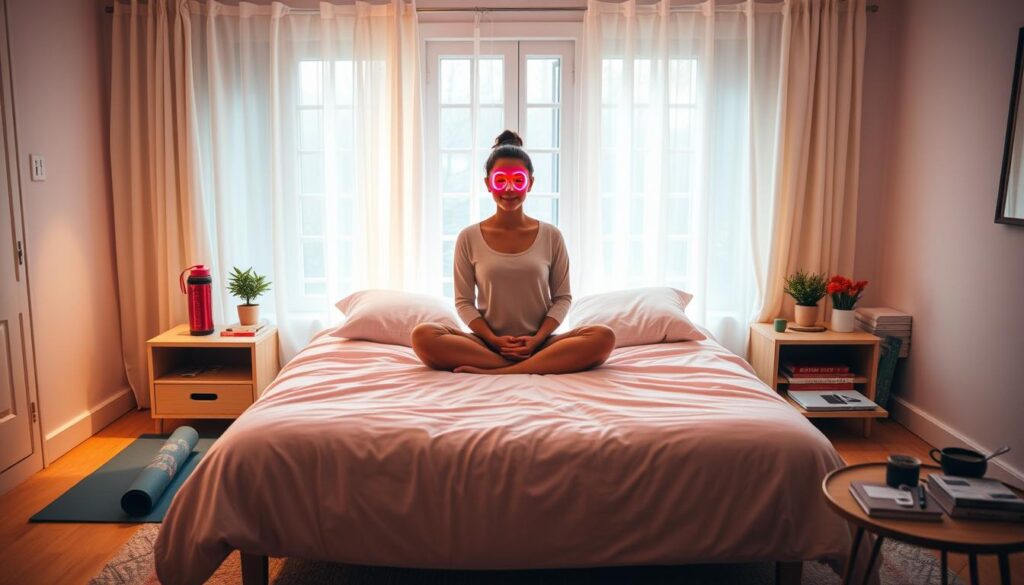
Proper Skin Preparation
For your red light to really do its best work, your skin needs to be clean and free of products. So, before your session, make sure to remove any makeup, sunscreen, or thick moisturizers. If you can, give the area you’re treating a quick, gentle cleanse with mild soap.
Some pros even suggest gently exfoliating the treatment area once or twice a week. This helps get rid of any dead skin cells that might slightly block the light from getting where it needs to go. Once your session is done, feel free to apply your regular skincare products – many people actually report that their products absorb even better after red light exposure!
Optimal Distance and Positioning
Getting the right distance from your device is super important for making sure you’re getting the right amount of light intensity. Most devices have a “sweet spot” distance:
| Device Type | Optimal Distance | Treatment Area | Body Position | Session Comfort Tips |
|---|---|---|---|---|
| Handheld | 0-2 inches (right up close!) | Small, targeted areas | Sitting or lying down | Use pillows to support your arm |
| Panel | 6-12 inches (about 15-30 cm) | Face, chest, limbs | Seated facing panel | Use a timer to track your exposure |
| Full-body device | As directed by the manufacturer | Entire body | Standing or lying down | Rotate your position midway |
| Flexible pad | Direct contact | Joints, back, curved areas | Any comfortable position | Secure it with straps if it has them |
Don’t Forget to Hydrate!
Staying well-hydrated actually boosts how effective your red light therapy is! It helps all your cells function their best. So, try to keep a glass of water nearby during your sessions, and aim to drink at least 8 ounces (about a regular glass) before and after your treatment.
Some people might feel a tiny bit dehydrated after longer sessions, especially if they’re using a really powerful device. This is totally normal and just your body reacting to the increased cellular activity and blood flow. Just listen to what your body is telling you and adjust your water intake accordingly!
Combining Red Light Therapy with Other Wellness Practices
Here’s where the real magic of red light therapy often kicks in: when you smartly team it up with other good habits in your daily routine. When you thoughtfully combining these practices, you can create a supercharged effect that truly boosts your overall health and well-being. Let’s talk about how red light therapy can become a fantastic partner for various parts of your wellness journey.
Meditation and Mindfulness
Want to make your red light therapy sessions even more calming? Try adding some meditation or mindfulness during your treatment! As that gentle, warm light bathes your skin, close your eyes and focus on deep breaths or simply notice how your body feels. Many people find that the soothing red glow creates an ideal atmosphere for quieting the mind.
Here’s a simple way to try it: as you sit or stand in front of your device, gently close your eyes and take five slow, deep breaths. With each exhale, imagine any tension melting away from your body. This mindful approach can really amplify both the physical benefits (like improved circulation) and the mental clarity you get from meditation.
Fitness and Recovery Routines
Timing your red light therapy around your workouts can seriously level up your performance and recovery!
- Before exercise: Use a session to “warm up” your muscles with increased blood flow, getting them ready for action.
- After workouts: Incorporate it to speed up recovery and soothe any soreness.
Athletes, especially, love post-workout sessions because red light therapy helps reduce inflammation and accelerates muscle repair. Even a 10-minute treatment right after an intense workout can help you stay on track with your training schedule by minimizing that dreaded downtime.
Skincare Regimens
Red light therapy can give your skincare routine a dramatic boost! It helps your skin absorb products better and amplifies their benefits. For the best skin rejuvenation, try applying serums with goodies like hyaluronic acid or vitamin C after your light therapy session – your skin will be extra ready to drink them in.
Since red light therapy helps stimulate collagen production, it works beautifully with your topical anti-aging ingredients. Think of them as a dynamic duo, creating even more noticeable results than using either one alone. Many users quickly see improvements in their skin’s texture and tone with this combined approach.
Tracking Your Progress
Monitoring your results isn’t just about data; it’s about staying motivated and figuring out what works best for you. Here are some simple ways to keep tabs on your progress:
| Wellness Goal | Tracking Method | Frequency | What to Look For |
|---|---|---|---|
| Skin Rejuvenation | Dated photos | Weekly | Improved texture, reduced spots |
| Pain Management | Pain journal | Daily | Reduced intensity, duration |
| Sleep Quality | Sleep tracking app | Nightly | Faster onset, fewer disruptions |
| Workout Recovery | Recovery time log | Per workout | Decreased soreness duration |
Don’t be afraid to play around with different combinations of these practices to discover what truly clicks for your unique needs. After all, the most effective wellness routine is the one you enjoy enough to actually stick with!
Safety Considerations and Contraindications
Before you fully dive into red light therapy, it’s super important to know a few things about staying safe and understanding when it might not be the right fit for you. While it’s generally considered safe for most people, knowing how to use it properly and when to be extra careful means you can enjoy all the benefits without any unnecessary worries.
General Safety Tips (Your RLT Checklist!)
When you’re using any red light therapy device, always, always start by reading your manufacturer’s instructions carefully. They know their product best!
- Protect Your Eyes: If your device maker recommends eye protection (like little goggles), please use them! Direct, intense light can sometimes cause eye strain or even damage. Better safe than sorry!
- Keep Your Distance: Don’t get too close! Most devices work best when they’re about 6-12 inches (15-30 cm) away from your body. This ensures you’re getting the right amount of light without overdoing it.
- Start Slow: When you’re new, begin with shorter sessions, maybe just 5-10 minutes. You can gradually increase the time as your body gets used to it.
- Go for Quality: Always choose devices that are FDA-cleared (if you’re in the US) and come from reputable brands. This is especially important if you’re using red light therapy for things like pain relief, where consistent quality really makes a difference.
When to Avoid Red Light Therapy
While red light therapy is great, there are a few situations where it might not be the best idea, or where you should definitely proceed with caution:
- Active Cancers or Precancerous Lesions: It’s best to avoid using red light therapy directly on these areas, as it might stimulate cellular activity in ways we don’t want.
- Recent Radiation Treatment: If you’ve just had radiation, wait until your doctor gives you the green light before trying red light therapy.
- Photosensitive Medications: Are you taking medications that make you sensitive to light? This includes some antibiotics, retinoids, or certain diuretics. Combining them with red light therapy could lead to unwanted skin reactions.
- Pregnancy: If you’re pregnant, it’s always wise to chat with your healthcare provider before starting any new therapy, and red light treatments are no exception.
- Certain Skin Conditions: If you have conditions like lupus, porphyria, or other disorders that make your skin extra sensitive to light, please be cautious and discuss it with your doctor.
When to Consult a Healthcare Provider
Think of red light therapy as a fantastic tool to add to your wellness toolbox, but it’s not a replacement for professional medical advice.
- Chronic Health Conditions: If you’re managing ongoing health issues like autoimmune disorders, thyroid problems, or diabetes, definitely have a chat with your doctor before you start using red light therapy. It’s smart to make sure it won’t interfere with your current treatment plan.
- Pain Relief: If you’re trying red light therapy for specific pain relief, it’s a great idea to consult with a physical therapist or a sports medicine specialist. They can help you figure out the best ways to use it for your unique situation, especially for things like joint pain or muscle recovery.
- Skin Concerns: For any specific skin issues, a dermatologist is your go-to expert. They can advise you on whether red light therapy is a good fit for your skin type and condition, especially if you’re hoping it will help with particular skin problems beyond general wellness.
By keeping these points in mind and always checking with your healthcare provider when in doubt, you can confidently and safely incorporate red light therapy into your daily routine!
Making Red Light Therapy Your New Healthy Habit!
So, we’ve covered a lot, haven’t we? From understanding the cool science behind how red light gives your cells a power-up, to figuring out what your personal goals are, and even picking the perfect device – you’re now armed with all the info you need.
The biggest takeaway? Red light therapy isn’t about being perfect; it’s about being consistent. Whether you choose to supercharge your mornings, beat the midday slump, or create a relaxing evening ritual, fitting in those short, regular sessions is what truly unlocks the amazing benefits. Remember to set up a comfy “therapy oasis,” stack it with habits you already do, and always prioritize safety by following your device’s instructions and listening to your body.
Ultimately, red light therapy is a fantastic, non-invasive tool that can truly support your well-being journey. It’s all about giving your body that gentle nudge to heal and thrive. So, go ahead – start small, be consistent, and get ready to experience the difference a little red light can make in your daily routine!